Things to do in Da Nang, from the beach to Ba Na Hills
Where things are in Da Nang
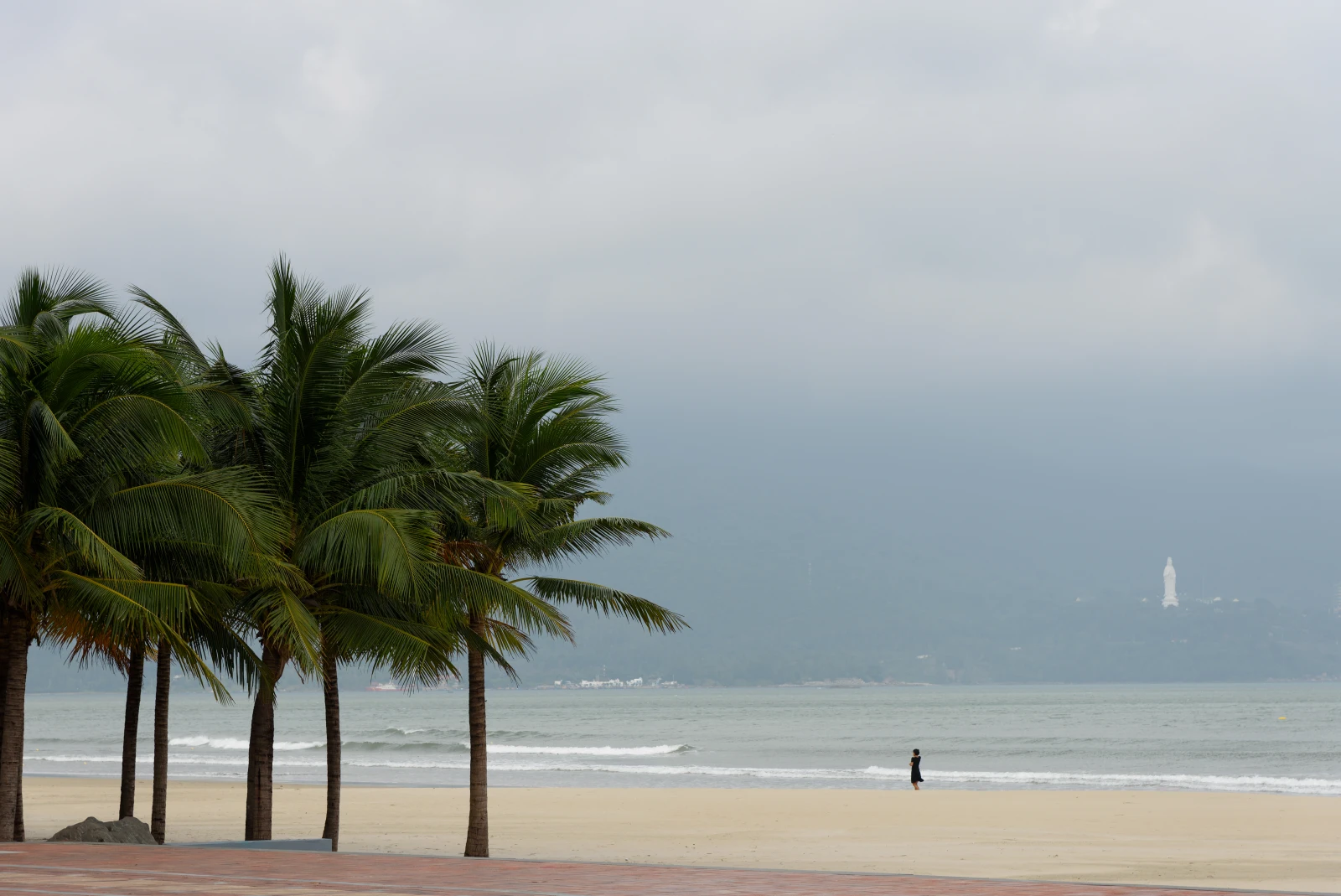
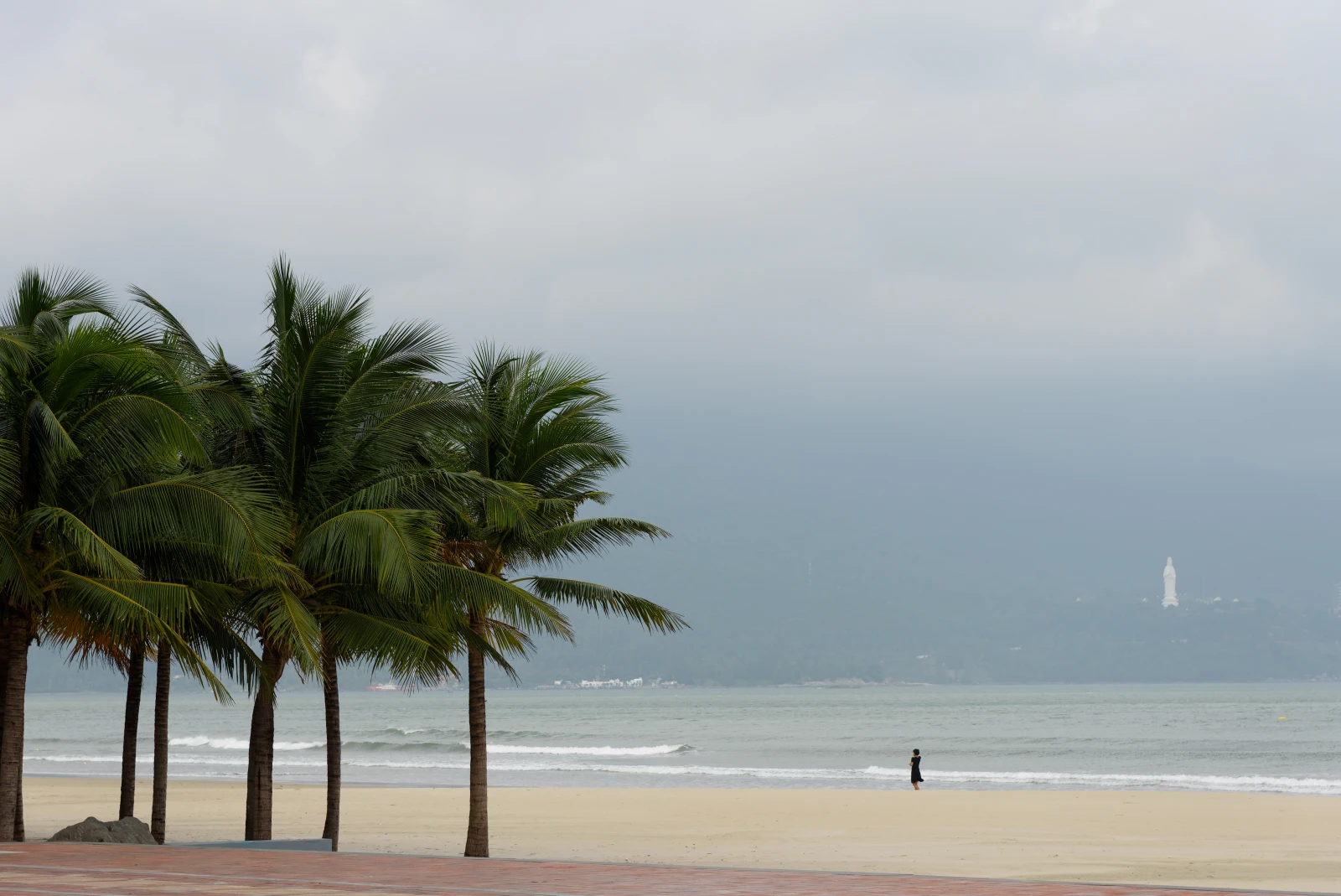
Son Tra, the green peninsula with the Lady Buddha, closes the bay to the north-east. The Marble Mountains rise from the flat land to the south, on the road to Hoi An. Ba Na Hills is inland to the west, up in the mountains.
The airport is right next to the centre, so you're at your hotel soon after landing. Since July 2025, Da Nang has also taken in the old Quang Nam province. That means Hoi An and the My Son temples are now part of the city, and you may see Da Nang in a Hoi An hotel's address.
Things to do in Da Nang by the sea
My Khe Beach
My Khe is the city beach, a long stretch of pale sand on the east side of the river. It runs south into Phuoc My and on towards Non Nuoc, so it never feels crowded for long. Hotels, cafés and seafood restaurants line the road behind it.
Go early. Locals swim from sunrise, and by mid-morning the sun is fierce. Late afternoon is the other good time, when the light turns soft and families come down to the water.
The sea is gentle for much of the year, and you can surf, paddleboard, jet-ski or go parasailing. From September, waves and currents get stronger, so swim where the lifeguards are and keep an eye on the flags.
The Son Tra Peninsula and the Lady Buddha
Son Tra is a forested headland and nature reserve, a short ride north-east of the beach. Locals call it Monkey Mountain. A road winds around it above the sea, with viewpoints back over the bay and the city.
The main stop is Linh Ung Pagoda. Here a white statue of the Bodhisattva of Mercy, known in English as the Lady Buddha, stands 67 metres tall and looks out to sea. The grounds are calm, with bonsai gardens and a view of the whole coast. Dress modestly, with shoulders and knees covered.
Keep looking up in the trees. Son Tra is home to the red-shanked douc langur, a rare monkey with grey fur, a white beard and red "stockings" on its legs. Early morning is when you're most likely to spot one.
Take a Grab car or a taxi there and back. The upper roads are steep, so we wouldn't ride a motorbike on them unless you're confident.
The Marble Mountains
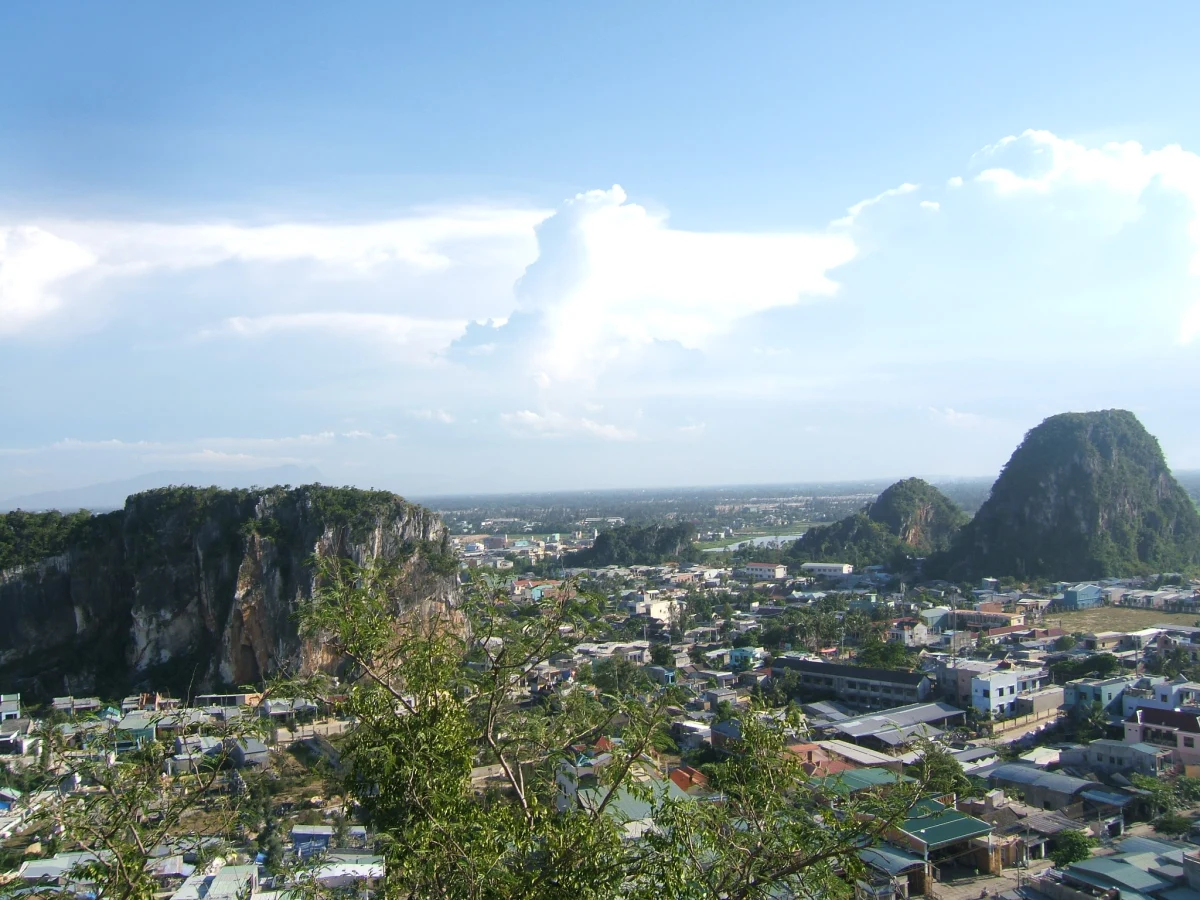
Most visitors climb Thuy Son, the water mountain, which is the largest. Stone steps lead up through pagodas and gardens to viewpoints over the other hills and the coast. There's also a lift for part of the way up, though you still climb stairs to reach the caves.
Don't miss Huyen Khong Cave. It's a huge, cool cavern lit by openings in the roof, with Buddha statues and altars carved into the rock. On a sunny morning, beams of light fall right through it. Am Phu Cave, at the foot of the mountain, shows a darker vision of the underworld.
At the foot of the hills, the Non Nuoc stone-carving village sells everything from small Buddha figures to huge statues. It's a good place to watch carvers at work, even if you don't plan to buy.
Ba Na Hills and the Golden Bridge
At the top, the air is cooler than in town, which is a relief in summer. There's a French Village, with cobbled squares and a church, the old French hill station and its wine cellar, flower gardens and an amusement park.
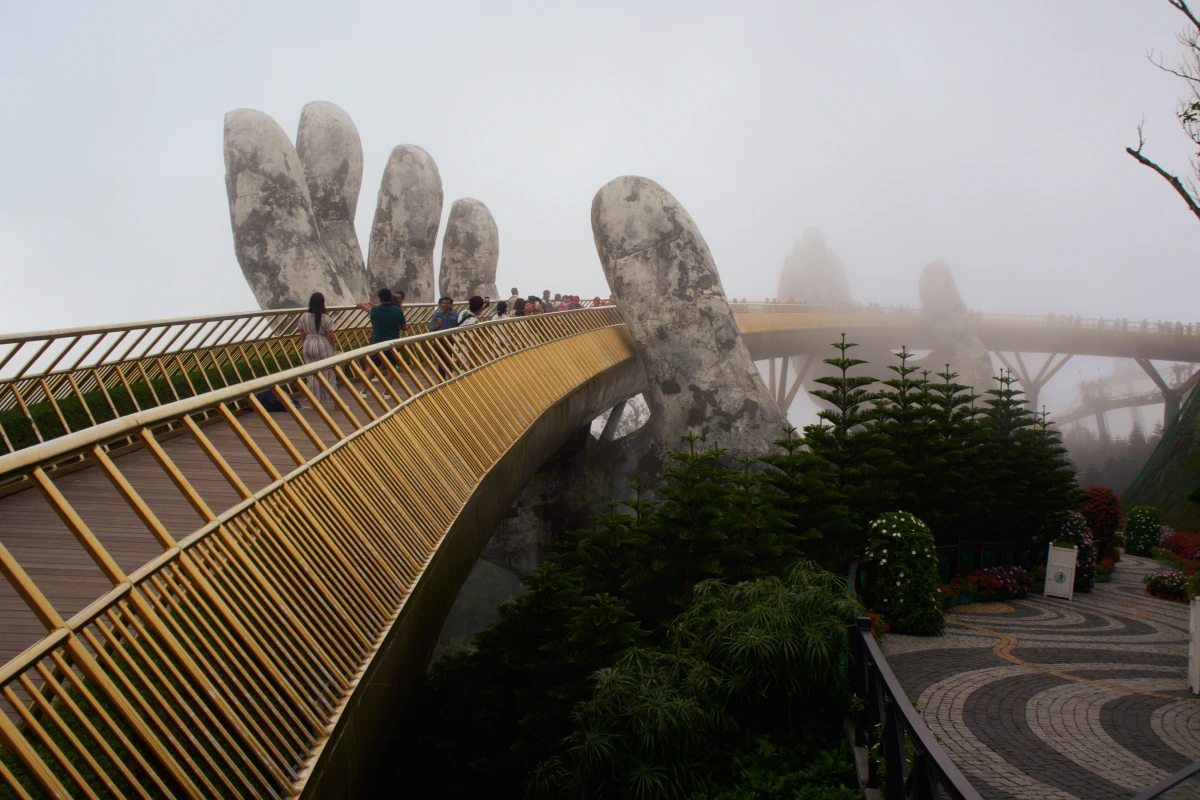
The Golden Bridge is the reason most people come. It's a gold walkway about 150 metres long, held up by two giant grey hands that look like weathered stone. In fact they're wire mesh covered in fibreglass. The bridge opened in June 2018.
Going with a tour
Ba Na is a long day, and a tour takes care of the driving and the cable car. The small-group Ba Na Hills and Golden Bridge tour collects you from your hotel between 8.30am and 9am in Da Nang, or between 7.30am and 8am in Hoi An. It lasts about eight hours.
The return cable car ticket, a local guide in English or Vietnamese, bottled water and an air-conditioned vehicle are included. You choose an option with or without the buffet lunch. The wax museum, the wine cellar and alcoholic drinks are extra.
The tour suits all fitness levels, though it isn't recommended if you're pregnant or have a spinal injury or poor heart health. It's all sales final and runs in any weather, so book a day you're sure of. In the rainy months, put it early in your stay so you have room to move other plans around it.
The city centre and the Han River
The Dragon Bridge show
The Dragon Bridge is a yellow steel dragon arching across the Han River. On weekend nights at 9pm, its head breathes fire for about two minutes, then sprays water for about three more. Da Nang's official tourism site lists the show on Fridays, Saturdays, Sundays and major holidays. Some other guides give Saturdays and Sundays only, so Saturday or Sunday is the safe choice.
Watch from the riverbank by the dragon's head, on the east side. Arrive half an hour early for a spot, and don't stand right in front if you'd rather stay dry.
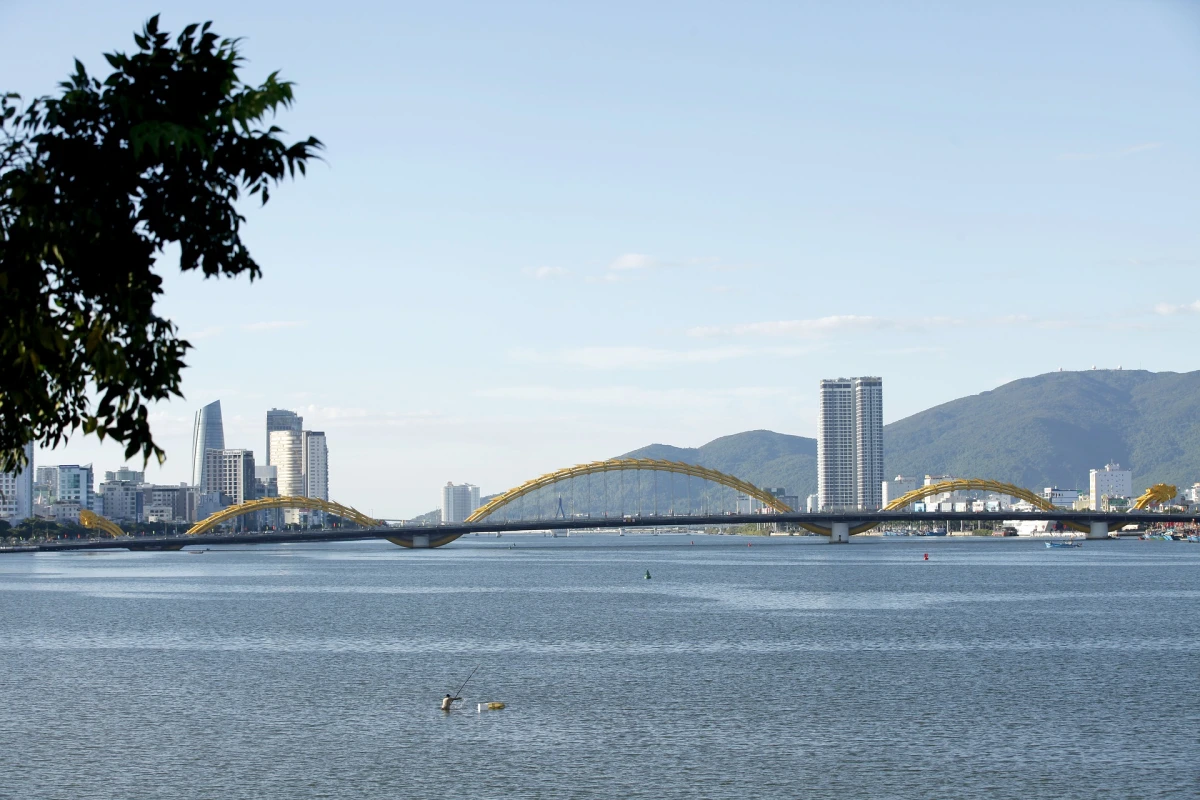
Along the river
The riverside promenade on Bach Dang street is the city's evening walk. The bridges light up after dark, and their colours change through the night. Small boats offer short river cruises past them, which is a relaxing way to see the lights.
The Han River Bridge, a little further north, is a swing bridge. On some nights it turns to let ships through, usually late in the evening. The timing changes, so ask your hotel if you want to see it.
The Museum of Cham Sculpture
This museum, at 2 Thang 9 Street by the river, is the best reason to spend an hour indoors. French scholars opened it in 1919, and it holds more than 300 sculptures from Champa, the Hindu kingdom that ruled this coast for centuries. Most are sandstone gods, dancers, lions and altars, taken from temples across central Vietnam.
Come here before you go to My Son. You'll understand the temples much better. The city's tourism site lists it as closed on Mondays, though other sources disagree, so check before you go.
The Pink Cathedral and Han Market
Da Nang Cathedral, on Tran Phu street, is painted a bright candy pink, and locals call it the Pink Church. It dates from the 1920s, when the French ran the city. The rooster on top of the spire gives it its other nickname, the Rooster Church.
Han Market is a few minutes' walk away. Downstairs you'll find dried fish, coffee, tea and fruit. Upstairs, rows of tailors and fabric stalls sell everything from silk to ready-made clothes. Bargain politely, as first prices for visitors start high.
What to eat in Da Nang
- Mi Quang: wide turmeric noodles with pork, shrimp and quail eggs in a little rich broth. Peanuts and a rice cracker go on top.
- Banh trang cuon thit heo: boiled pork and fresh herbs that you roll in rice paper. Dip it in the strong fermented anchovy sauce.
- Bun cha ca: rice noodles in a tomato broth with fish cakes, a local breakfast.
- Banh xeo and nem lui: small crisp pancakes and grilled pork on lemongrass sticks, wrapped in lettuce and herbs.
- Seafood: scallops with spring onion oil, steamed clams and mantis shrimp at the restaurants along the beach road.
Con Market, a little inland from Han Market, is where locals eat. Its food stalls serve most of these dishes at plastic tables, and it's busiest at lunch. For seafood, pick a busy place on the beach road and choose your shellfish from the tanks. Agree the price by weight before they cook it.
Day trips from Da Nang
Hoi An
Hoi An's old town is a UNESCO World Heritage Site and less than an hour south by car. Its yellow merchant houses, Japanese covered bridge and lantern-lit streets draw most visitors to this part of Vietnam.
Go in the late afternoon. Walk the old town while it's quiet, eat, then stay for the lanterns along the river after dark. On the 14th day of each lunar month, the town turns off its electric lights for the full moon festival. Our Vietnam itinerary shows how to fit Hoi An into a longer trip. If you'd rather stay there, the Ba Na tour above collects from Hoi An too.
My Son Sanctuary
My Son is a valley of ruined Cham temples in the hills south-west of Hoi An, also on UNESCO's list. The brick towers were built between the 4th and 13th centuries, and they sit among the trees, with the mountains behind. Some were badly damaged by bombing during the war, which you can still see.
Go early in the morning, before the heat. With the Cham Museum the day before, it all makes much more sense.
The Hai Van Pass
The Hai Van Pass is the coast road north from Da Nang towards Hue. It climbs over a mountain that drops straight into the sea, with long views back over the bay. Since the tunnel below opened, most traffic goes through the mountain, so the road over the top is quiet.
You can go by car with a driver, or ride it on a motorbike tour. If you're heading on to Hue, stop at the top and carry on. The train between Da Nang and Hue takes between about two and a half and four hours, depending on the train, and follows the same coast, lower down.
How many days to spend in Da Nang
- Day 1: My Khe Beach at sunrise, then the Marble Mountains before the heat. Lunch at Con Market, the Cham Museum and the Pink Cathedral in the afternoon. On a weekend, the Dragon Bridge show at 9pm.
- Day 2: Ba Na Hills and the Golden Bridge, back in the late afternoon. Seafood on the beach road for dinner.
- Day 3: Son Tra and the Lady Buddha in the morning, then Hoi An for the afternoon and the lanterns at night.
With a fourth day, add My Son in the morning and a slow afternoon on the beach. With five, ride the Hai Van Pass, or spend a night in Hoi An.
When to go to Da Nang
The rainy season runs from about September to December. October and November bring the heaviest rain and the risk of typhoons, which can delay flights and close roads. Prices are lower then, but leave spare days in your plan.
Every summer, the Da Nang International Fireworks Festival brings teams from around the world to the Han River. The 2026 festival ran from 30 May to 11 July over six nights. Hotels fill up on show nights, so book early if your dates overlap.
Tet, the Lunar New Year, falls on 6 February 2027. Many family-run restaurants and shops close for several days around it, while the city puts on its own lights and events.
Good to know
- Getting there: Da Nang International Airport is close to the centre and to the beach, and has direct flights from across Asia. Travel Insider sells a private transfer from the airport or train station to your Da Nang hotel. You pick a sedan, a seven-seater or a minibus.
- Getting around: use Grab or a metered taxi. The city is spread out along the river and the beach, so walking from one area to another takes a long time in the heat.
- Money: carry cash in dong for markets, street food and small shops. Hotels and larger restaurants take cards.
- Visas: some passports can enter without a visa, and everyone else can apply for an e-visa. Vietnam's official tourism site explains the rules and links to the government portal.
- Data: buy a Vietnam eSIM from Travel Insider before you fly, so Grab and maps work as soon as you land.
- Temples: cover your shoulders and knees at Linh Ung, the Marble Mountains and My Son.
- Sun: the sun is strong all year. Bring a hat and sunscreen, and plan beach time early or late.
Is Da Nang worth visiting?
We'd pick it as a base if you want a beach with plenty to do around it, and families do well here. If old streets and atmosphere matter more to you, stay in Hoi An and come to Da Nang for the day. If you're heading south as well, our guide to things to do in Ho Chi Minh City covers the other end of the country.
For the day most people remember, book the small-group Ba Na Hills and Golden Bridge tour with hotel pickup from Da Nang or Hoi An. Its page shows the current price and the dates you can book.
Questions
What should you not miss in Da Nang?
The Golden Bridge at Ba Na Hills, Huyen Khong Cave in the Marble Mountains and the Lady Buddha on Son Tra. Watch the Dragon Bridge breathe fire on a weekend night, and spend at least one early morning on My Khe Beach.
What is Da Nang famous for?
Its long city beach, the Golden Bridge held up by giant hands, and the fire-breathing Dragon Bridge. It's also known for mi Quang noodles, fresh seafood and being the gateway to Hoi An and My Son.
How many days is enough for Da Nang?
Three days covers the city, the beach and Ba Na Hills, with an afternoon in Hoi An. Four or five days lets you add My Son or the Hai Van Pass and slow down.
What is one of the biggest mistakes you can make in Vietnam?
Trying to see the whole country too fast. Distances are long, and a rushed trip spends more time in transport than in places. Pick a few bases, like Da Nang for the centre, and use day trips from there.
Is it better to stay in Da Nang or Hoi An?
Stay in Da Nang for the beach, modern hotels and easy access to Ba Na Hills and Son Tra. Stay in Hoi An for the old town, the lanterns and a slower pace. The two are under an hour apart, so you can easily visit one from the other.
Can you walk on the Golden Bridge?
Yes. It's a footbridge in the resort at the top of Ba Na Hills, which you reach by cable car. Once you're up there, you can walk across it as part of your visit.