Things to do in Ho Chi Minh City, from markets to mangroves
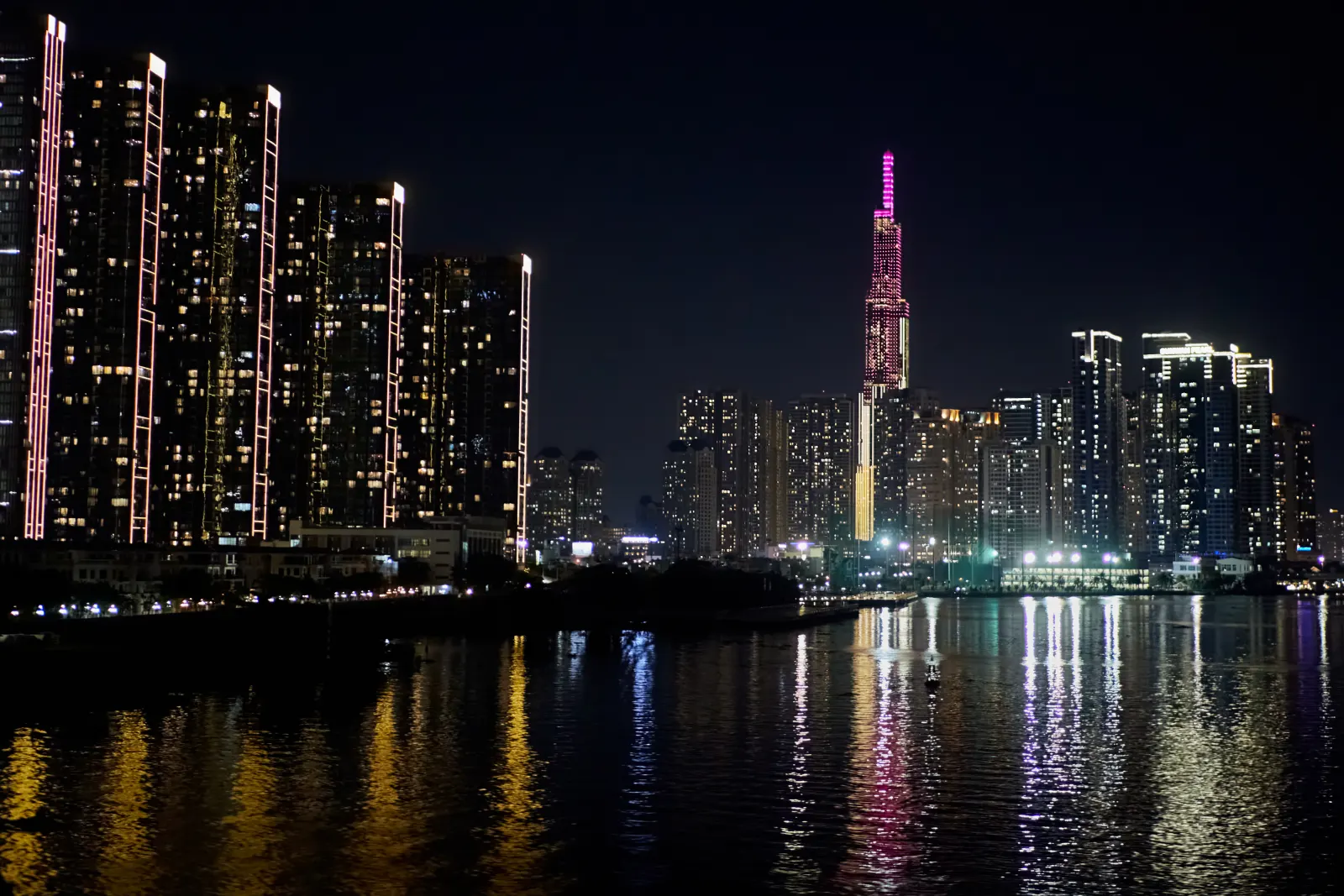
Ho Chi Minh City or Saigon, and where things are
Most of what a first-time visitor wants sits in a small area of the old District 1, between the cathedral, the Saigon River and Ben Thanh Market. District 3, just west, has the War Remnants Museum and quieter streets. Cho Lon, the old Chinese quarter, is a few kilometres southwest, in the former Districts 5 and 6.
On 1 July 2025 the city merged with Binh Duong and Ba Ria-Vung Tau, and the numbered districts were replaced by wards. People, hotels and tour pickups still use the old district numbers, so we use them here too. If an address shows a ward you don't recognise, the map pin is the safer guide.
Things to do in Ho Chi Minh City's centre
The Independence Palace
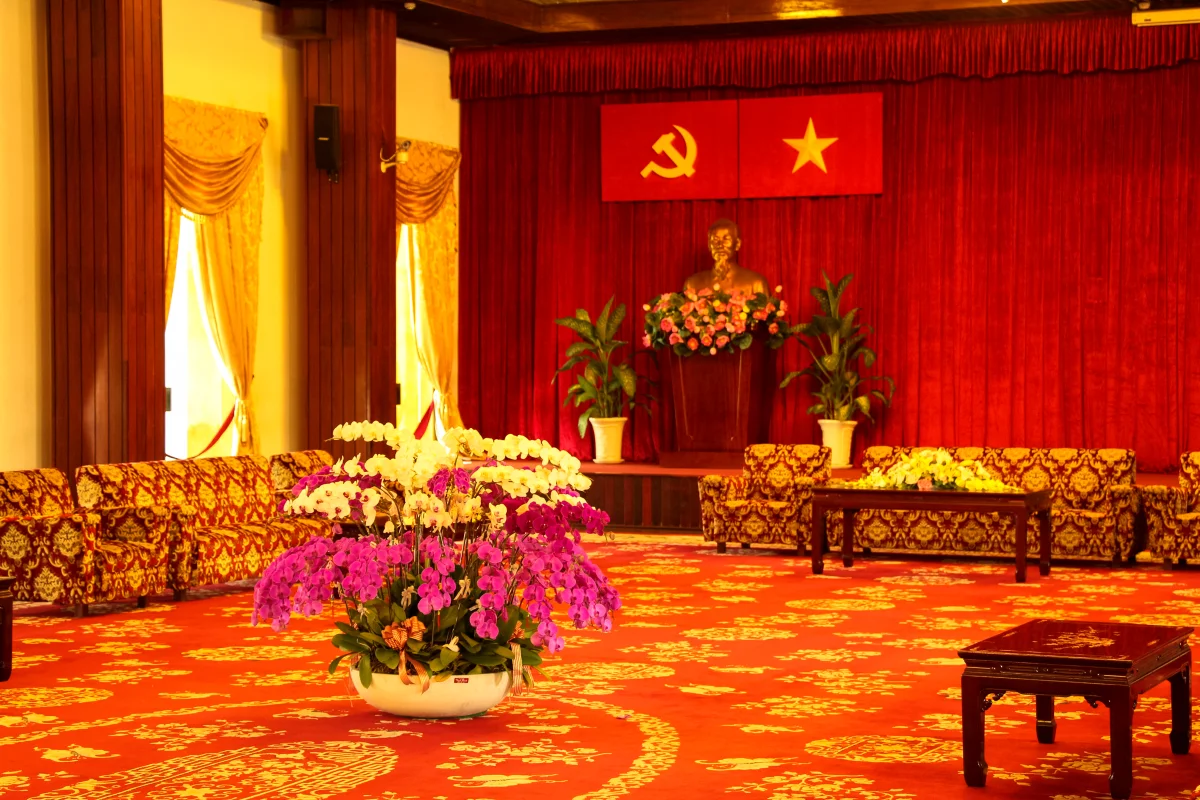
The Independence Palace, also called the Reunification Palace, was the home and office of South Vietnam's president. On 30 April 1975 the war ended here. Inside, the 1960s rooms are kept as they were: the reception halls, a cinema, a reading room and the banquet rooms.
Don't skip the basement. The command centre and war rooms are down there, with their old radios and maps. The palace's own site gives opening hours of 7am to 6pm every day, holidays and Tet included. Allow about an hour and a half.
The War Remnants Museum
The War Remnants Museum is at 28 Vo Van Tan, a short walk behind the palace. American aircraft, tanks and bombs stand in the courtyard. Inside, three floors of photographs cover the war and what it did to people, including the effects of Agent Orange.
It's a hard museum to go through. Some images are graphic, so think twice before taking young children. It opens from 7.30am. Go early, before the tour groups, and plan something gentle afterwards.
Notre Dame Cathedral and the Central Post Office
The red-brick Notre Dame Cathedral was built with materials shipped from France and finished in 1880. A long restoration has been running since 2017. Its two gold crosses went back on top of the towers in March 2026, and work continues into 2027, so you may find parts of it under scaffolding. The square in front is always open.
Across the square, the Central Post Office is still a working post office. Walk into the main hall to see the arched iron roof, the old wooden phone booths and two hand-painted maps of the region. You can buy stamps and send a postcard home from the counter.
Nguyen Hue walking street and City Hall
Nguyen Hue is a wide pedestrian street running from City Hall down to Bach Dang Wharf on the river. It's quiet by day and lively from sunset, when families come out and street performers set up. City Hall, with its yellow colonial front, is lit up at night. It isn't open to visitors.
Look for 42 Nguyen Hue, an old apartment block halfway down the street. Its floors are now filled with small cafés and shops, and a balcony seat gives you a view down the whole street.
Ben Thanh Market
Ben Thanh is the city's best-known indoor market, with its clock tower on the main entrance. Inside you'll find coffee, lacquerware, conical hats, fabric and dried fruit. The food stalls at the back serve banh xeo, banh mi and noodle soups at plastic tables.
Prices for visitors here start high, so bargain with a smile or shop elsewhere. Keep your phone and bag close in the crowds.
Temples, Cho Lon and a view from the top
The Jade Emperor Pagoda
The Jade Emperor Pagoda is at 73 Mai Thi Luu, in the old District 1. It's a Taoist temple, built by the city's Cantonese community around the turn of the 20th century. Inside it's dark, smoky with incense and full of carved wooden figures. There's a pond of turtles at the front. Dress modestly and keep quiet near people at prayer.
Cho Lon, the Chinese quarter
Cho Lon is best explored on foot. Start at Binh Tay Market, a huge wholesale market where traders sell everything from dried seafood to sweets by the sack. Then walk to Thien Hau Pagoda on Nguyen Trai, a temple to the goddess of the sea, with giant coils of incense hanging from its roof.
Take a Grab car there and back. It's too far to walk from the centre in the heat.
Saigon from above
Two towers have viewing decks. The Saigon Skydeck is on the 49th floor of the Bitexco Financial Tower, in the old centre, and looks straight down onto the river. Landmark 81, across the river in Binh Thanh, is the tallest building in Vietnam at 461.2m, and its SkyView deck is near the top.
We'd go up just before sunset. You see the city by daylight, then watch the lights come on.
Museums, parks and the river
Go to Tao Dan Park early in the morning to see the city wake up. Locals come to do tai chi, dance in lines and kick a shuttlecock to one another under the trees.
For the river, ride the Saigon Waterbus. Route 1 has run since 2017 from Bach Dang Wharf, at the end of Nguyen Hue, upriver to Linh Dong. It's a cheap, slow way to see the city from the water, and the late-afternoon boats are the most pleasant.
Metro Line 1 opened in December 2024. It runs from Ben Thanh, past the Opera House, out to Suoi Tien, and the first stations are underground. It's useful for reaching Thao Dien or the eastern suburbs, and it's fun to ride once even without a reason.
Eat your way through Saigon
- Com tam: broken rice with grilled pork, a fried egg and fish sauce, eaten at any hour.
- Banh mi: the baguette sandwich, with pâté, cold cuts, pickles and chilli.
- Banh xeo: a crisp, yellow rice pancake folded over shrimp, pork and bean sprouts. Wrap pieces in lettuce and dip them.
- Hu tieu: the south's noodle soup, with a clear broth.
- Bo kho: a beef stew with star anise, eaten with bread.
- Ca phe sua da: strong drip coffee over ice with condensed milk.
Most of the best food is cooked on the street, from late afternoon. Look for stalls that are busy with locals and that cook in front of you.
A street food tour
The easiest way to try a lot at once is with someone who knows the stalls. The street food walking tour with 12 tastings takes about four hours with an English-speaking local guide, through the city's alleys.
You try 12 dishes and drinks, from banh mi and spring rolls to grilled snacks, oysters, grilled banana sticky rice cake and caramel flan. To drink, there's sugarcane juice, jasmine iced tea or a local beer.
Pickup from many hotels is included, along with all the food and drink, accident insurance, a helmet and a rain poncho if it rains. Vegetarians can ask for a meat-free version, though it may have fewer than 12 tastings. The tour isn't recommended if you're pregnant or have a spinal injury or poor heart health.
Make an egg coffee
Egg coffee is strong Vietnamese coffee under a thick, sweet foam of whipped egg yolk. It started in Hanoi, and the Saigon cafés make it too.
On the egg coffee workshop in Ho Chi Minh City, you learn to make your own in about 90 minutes and hear how the drink came about. The class runs in English and Vietnamese, with coffee, tea and snacks included.
It's a good plan for a hot afternoon or a rainy one, and it suits couples and older children who like coffee. It isn't recommended if you're pregnant or have poor heart health.
Ho Chi Minh City at night
A water puppet show
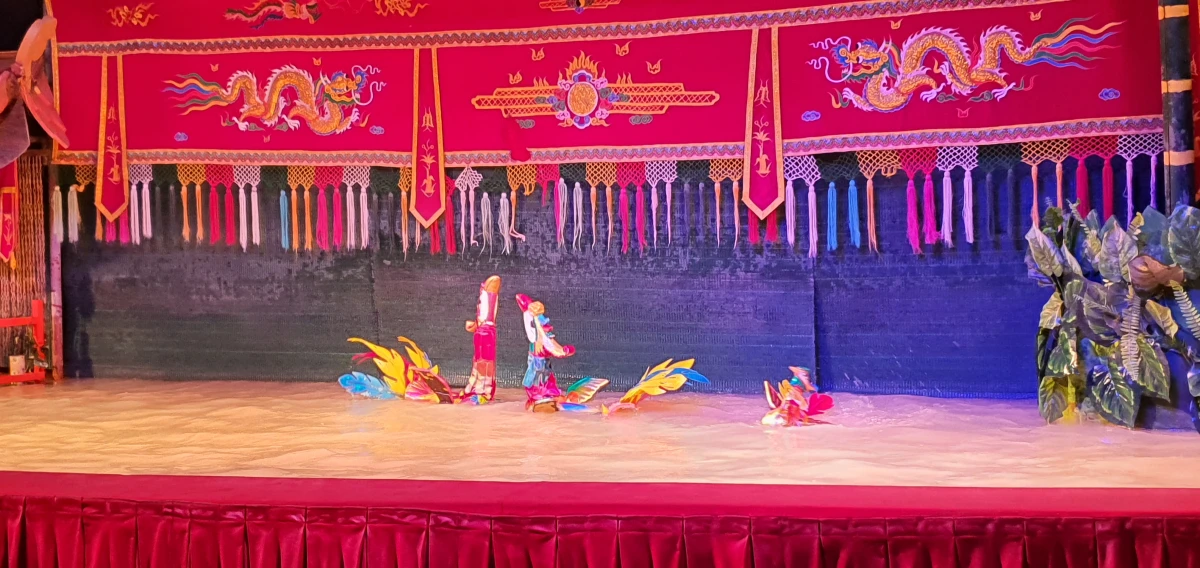
Water puppetry began in the rice fields of the Red River Delta in the north, where villagers performed in ponds at harvest festivals. The puppeteers stand waist-deep in water behind a bamboo screen and work the lacquered puppets on long rods under the surface.
A live orchestra plays traditional instruments and sings the stories, which are scenes from village life: farmers, fishermen, buffaloes and dragons.
The Golden Dragon Water Puppet Theatre, at 55B Nguyen Thi Minh Khai, is the city's best-known stage. The Golden Dragon water puppet ticket is for the 6.30pm show, which lasts about 45 minutes. The ticket is for a fixed date and time, and you collect it at the meeting point.
Arrive 15 minutes early to check in and get your seat. If you're late, you can't switch to another show. Flash photography isn't allowed. It's a short, easy evening that children enjoy, and you won't need any Vietnamese, as the puppets tell the story.
After the show
Walk to Nguyen Hue for the evening crowd, then to the riverside. Bui Vien, the backpacker street a little further southwest, turns into a loud walking street at night, with bars, music and plastic stools on the pavement. Go for one drink and some people-watching. If you prefer something calmer, take a rooftop bar in the old centre or a night drink in Thao Dien.
Day trips from Ho Chi Minh City
The Can Gio mangrove forest
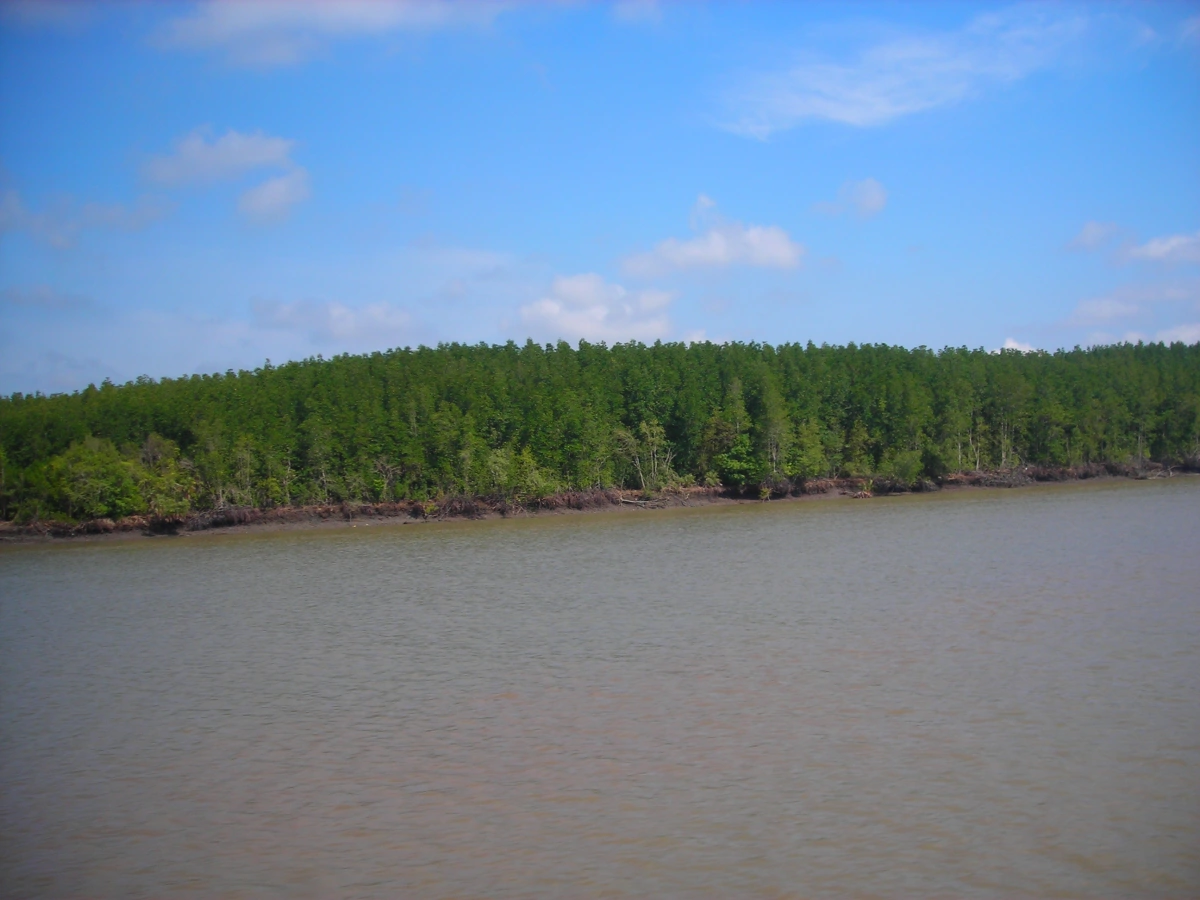
Can Gio is the city's wild side: a huge forest of mangroves where the Saigon River meets the sea, southeast of the centre. After wartime spraying left it bare, it was replanted, and in 2000 UNESCO made Can Gio a biosphere reserve, the first in Vietnam.
Today it's home to birds, monkeys, crocodiles and crabs.
The Can Gio mangroves and Monkey Island trip by motorbike is a full day of about seven hours. Here's how it runs:
- 7.30am: pickup at your hotel, mainly in the old Districts 1, 3 and 5.
- A ferry across the river, then the ride south into the mangroves.
- About 75 minutes in the mangrove forest to see the wildlife.
- About 75 minutes on Monkey Island, home to hundreds of monkeys and a base where guerrilla fighters hid during the war.
- Lunch and an hour at the Can Gio market, which sells a wide variety of local seafood.
- About 70 minutes at Can Gio beach and a Cao Dai pagoda, then the ride back to your hotel.
Entry fees, fuel, an English-speaking guide, a helmet, accident insurance and a rain poncho are included. It isn't recommended if you're pregnant or have a spinal injury or poor heart health.
We'd pick this over a second day in town if you'd like to see a different Vietnam, with green space and no traffic jams. On Monkey Island, keep your sunglasses, food and bags out of reach, as the monkeys grab whatever they can.
The Cu Chi Tunnels and the Mekong Delta
The other two classic day trips are the Cu Chi Tunnels, northwest of the city, and the Mekong Delta to the southwest. At Cu Chi you can crawl through a short stretch of the tunnels the Viet Cong lived and fought in. In the delta you ride boats along the canals and stop at orchards and small workshops.
Cu Chi takes half a day and the delta a full day, and both tours start early in the morning.
A three-day Ho Chi Minh City itinerary
- Day 1: the Independence Palace at opening time, then the War Remnants Museum. Lunch at Ben Thanh Market. In the afternoon, the cathedral square and the Central Post Office, then a café at 42 Nguyen Hue. Water puppets at 6.30pm, then dinner and a walk along the river.
- Day 2: the Can Gio mangroves and Monkey Island, back in the late afternoon. An easy evening, or Bui Vien if you're still going.
- Day 3: Tao Dan Park early, then the Jade Emperor Pagoda. Go to Cho Lon for Binh Tay Market and Thien Hau Pagoda. Take the egg coffee workshop in the afternoon, a sky deck at sunset, then the street food tour.
With a fourth day, add Cu Chi in the morning and the Fine Arts Museum in the afternoon. With five, give a full day to the Mekong Delta.
When to go to Ho Chi Minh City
The rainy season runs from May to November. Most days bring a short, heavy afternoon shower and clear skies again by evening, so it rarely ruins a trip. Carry a light rain jacket and plan museums for the afternoon.
Plan around Tet, the Lunar New Year, which falls on 6 February 2027. Many restaurants, shops and stalls close for several days around it. The city fills with flowers in the days before, and Nguyen Hue holds a flower street, but expect less street food during the holiday itself.
Good to know
- Getting there: most flights land at Tan Son Nhat airport, about 7km from the centre. The new Long Thanh airport, east of the city, is due to start commercial flights on 24 December 2026, so check which airport your ticket names.
- Getting around: walk in the centre, and use Grab or Xanh SM for anything further. Book and pay inside the app, as people sometimes pose as drivers.
- Crossing the road: walk at a steady pace and don't stop suddenly. Motorbikes steer around you.
- Bags and phones: bag snatching from passing motorbikes happens. Carry your bag on the side away from the road, and don't hold your phone at the kerb.
- Money: carry cash in dong for street food, markets and small shops. Hotels and larger restaurants take cards.
- Visas: some passports enter without a visa, and everyone else can apply for an e-visa. Vietnam's official tourism site explains the rules and names the government portal.
- Data: buy a Vietnam eSIM from Travel Insider before you fly, so you land with maps and Grab working.
- Dress: cover your shoulders and knees in temples and pagodas.
- Bookings: the four trips in this guide are all sales final. Book them for dates you're sure of, and leave a spare day in the rainy season.
For a first evening that sets up the whole trip, book the street food walking tour with 12 tastings. You'll learn what to order for the rest of your stay, and its page shows the current price and the dates you can book.
Questions
What should you not miss in Ho Chi Minh City?
The Independence Palace and the War Remnants Museum for the history, and Nguyen Hue walking street at sunset. Eat street food in the evening, ideally with a guide. If you have a day spare, go to the Can Gio mangroves or the Cu Chi Tunnels.
Is 3 days enough for Ho Chi Minh City?
Yes, for a first visit. Two days covers the centre, Cho Lon and the food, and the third gives you a day trip. Allow four or five days if you want both Cu Chi and the Mekong Delta.
Is Ho Chi Minh City worth visiting?
Yes. It has Vietnam's best street food, its most important war history sites and an easy base for the Mekong Delta. It's big, hot and loud, so it suits people who enjoy busy cities more than those looking for a quiet break.
Where can you see a water puppet show in Ho Chi Minh City?
The Golden Dragon Water Puppet Theatre at 55B Nguyen Thi Minh Khai, in the old District 1, is the main stage. A show lasts about 45 minutes. Book a fixed time and arrive 15 minutes early, as late arrivals can't move to another show.
How do you get to the Can Gio mangrove forest?
Can Gio is southeast of the city, across the river by ferry, and it takes most of a day. The simplest way is a guided day trip with hotel pickup, which covers the mangroves, Monkey Island, the seafood market and the beach.
What is Ho Chi Minh City famous for?
Its street food, its coffee culture, the French-era buildings of the old centre, and the sites of the Vietnam War. It's also the country's biggest city and its business centre, with more motorbikes than you've ever seen.