Bangkok itinerary for 3 days: temples, markets and massage
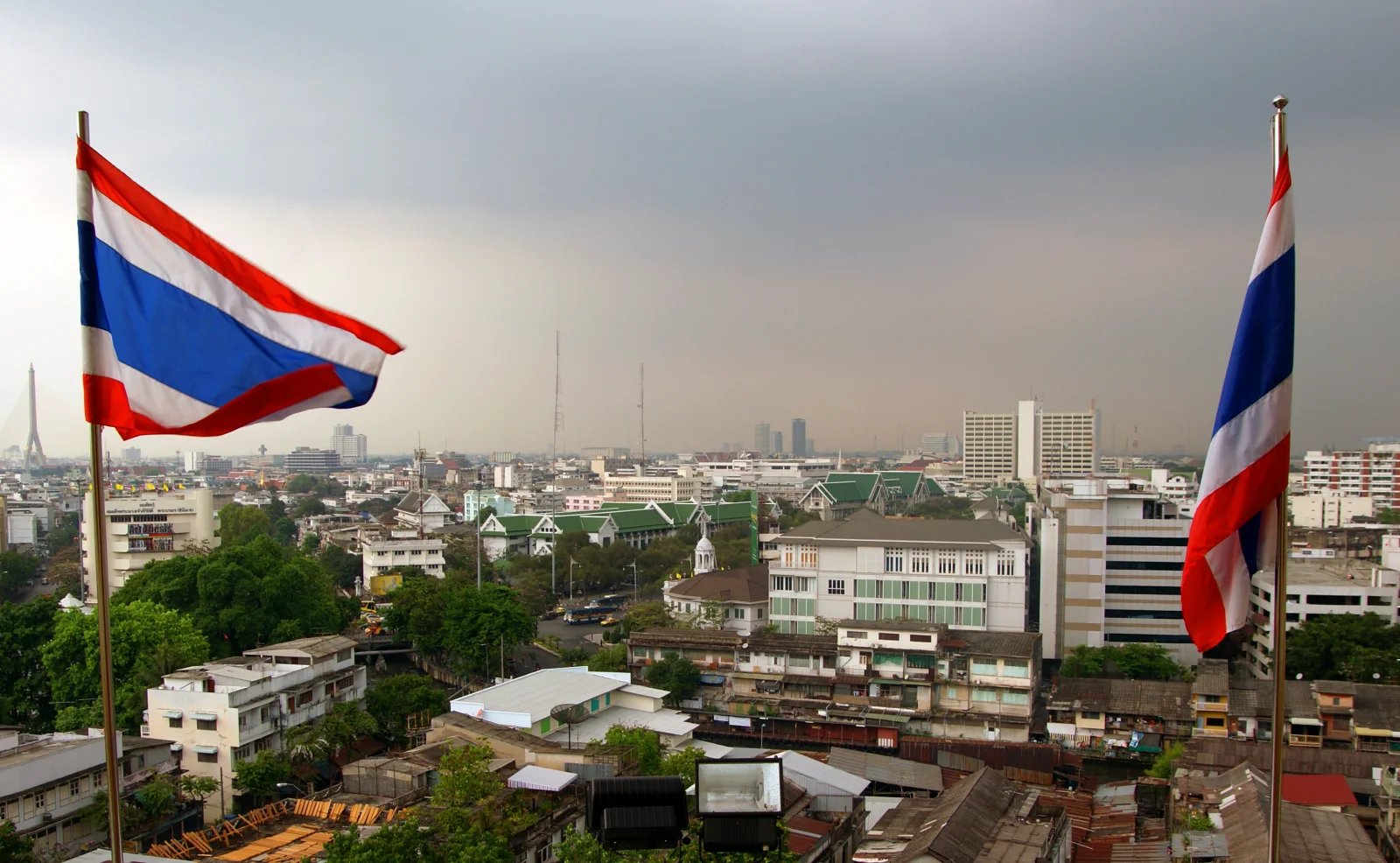
How to plan 3 days in Bangkok
Here's the shape we suggest:
- Day 1: the old town, with the Grand Palace, Wat Pho and Wat Arun, then Chinatown at night.
- Day 2: a Thai massage workshop, Jim Thompson House and the modern centre.
- Day 3: Chatuchak market on a weekend, or the Golden Mount and Banglamphu on a weekday, then the river at sunset.
If your trip doesn't fall on a weekend, swap Day 3 around. Chatuchak only opens fully on Saturdays and Sundays, and the massage workshop runs Tuesday to Sunday, so those two fix the order.
Where you stay matters more than which hotel. Near a BTS or MRT station, or a short walk from a river pier, is the best choice for a short trip. The riverside around Saphan Taksin works well, because you can take the boat to the old town and the Skytrain to the malls.
Day 1: the Grand Palace, Wat Pho, Wat Arun and Chinatown
Morning: the Grand Palace
The Grand Palace opens daily at 8.30am, and ticket sales stop at 3.30pm. The ticket also covers Wat Phra Kaew, the temple of the Emerald Buddha, inside the same walls, and the Queen Sirikit Museum of Textiles. Allow two to three hours.
The dress code is strict, and people are turned away every day. The palace's own rules rule out sleeveless tops, short tops, see-through tops, shorts, mini skirts, and torn or tight trousers. Wear something with sleeves and trousers or a long skirt, and you won't have to think about it.
To get there by boat, take the BTS to Saphan Taksin, walk to Sathorn Pier, and ride the Chao Phraya Express Boat north to Tha Chang. The palace is on your right as you leave the pier. You can also take the MRT to Sanam Chai and walk.
Midday: Wat Pho
Walk south to Wat Pho, about ten minutes from the palace. Its Reclining Buddha is around 46m long and covered in gold leaf, and the soles of its feet are inlaid with mother-of-pearl. The temple is also the old home of Thai massage teaching, and its traditional medicine school is still there.
Have lunch near Tha Tien pier, where small places serve noodles and rice dishes. Then rest somewhere cool for an hour. The early afternoon is the worst time to be walking between temples.
Afternoon: Wat Arun
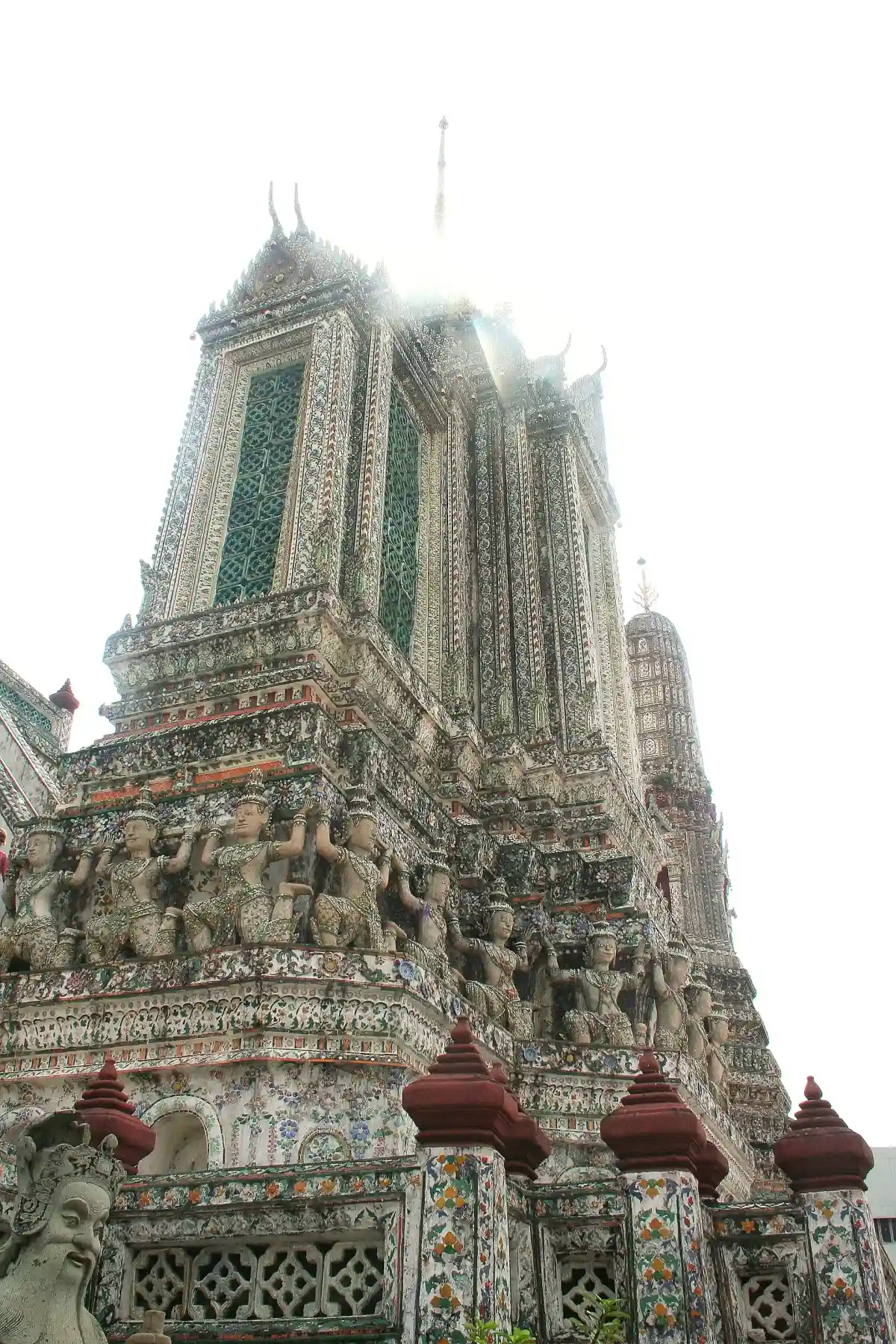
From Tha Tien, the cross-river ferry takes a few minutes to reach Wat Arun, the Temple of Dawn, on the Thonburi bank. Its central prang is covered in pieces of coloured porcelain and seashell, and the details are best seen close up. Go in the late afternoon, when the light is softer and the stone stays cooler.
Evening: Chinatown
Finish on Yaowarat Road, the heart of Chinatown. The MRT stops at Wat Mangkon, about five minutes' walk away. Street food here starts in the early evening and keeps going late, with noodle soups, dim sum, grilled seafood, toast with sweet fillings and Chinese desserts.
Walk the main road first, then the side lanes off it. Go hungry and share dishes, so you can try more.
Day 2: a Thai massage workshop and modern Bangkok
Morning: learn Thai massage
Thai massage, or nuad Thai, is on UNESCO's list of intangible cultural heritage. Therapists work with their hands, elbows, knees and feet, and use hot herbal compresses. Getting one is easy in Bangkok. Learning how it works is the more unusual part of a trip.
The hands-on Thai massage workshop in Bangkok takes about two hours. Senior spa therapists with around 20 years' experience explain what Thai massage is and how it differs from Western styles. Then you practise it on yourself and a partner, see how a herbal compress is made, and finish with a real massage session.
Thai massage clothes and socks are provided, along with water, tea, coffee and Thai snacks, and you take home a herbal compress kit. Groups are small, with up to 12 people per booking, and the teaching is in English and Thai. It runs Tuesday to Sunday, and your booking confirms the start point and time.
It suits most fitness levels, but it isn't recommended if you're pregnant or have poor heart health. Bookings are all sales final, so pick a date you're sure of. We'd put it on Day 2, because your legs will be glad of it after the temples.
Afternoon: Jim Thompson House
Jim Thompson House is a group of old teak houses set around a garden on Rama I Road. It belonged to the American who revived the Thai silk trade, and it's full of the art he collected. It opens daily from 10am to 5pm, and you can only go inside the house with a guide. Tours run in Thai, English, French, Chinese and Japanese.
From there, the malls around Siam are a short walk or one Skytrain stop away, which is useful if the afternoon heat gets too much.
Evening: Lumphini Park and a rooftop
Head to Lumphini Park in the late afternoon. It's the city's big green space, and joggers and families fill it once the heat drops. Then go up to a rooftop bar on Silom or Sathorn for the skyline after dark, and check its dress code before you set off.
Day 3: Chatuchak or the Golden Mount, then the river
On a weekend: Chatuchak market
Chatuchak Weekend Market opens on Saturdays and Sundays from 9am to 6pm. It's huge, with clothes, crafts, homeware, plants, art and food. Get there early, because by midday the covered lanes get hot and crowded.
Take the MRT to Chatuchak Park or Kamphaeng Phet, or the BTS to Mo Chit. Pick a few sections to focus on and use the market's maps, or you'll spend the morning walking in circles. Bring cash for the smaller stalls.
On a weekday: the Golden Mount and Banglamphu
The Golden Mount, at Wat Saket, is a temple on a hill in the old town, with a spiral staircase of 344 steps to the top. The view takes in the old town's roofs, and it's at its best near sunset.
Pair it with a walk through Banglamphu, the area around Khao San Road. It's busy and loud at night, but quieter by day, with small shops, old shophouses and cheap places to eat.
Evening: on the river
End the trip on the Chao Phraya. The simplest option is the public boat between Sathorn and the old town at the end of the day, with the temples lit up on the banks. A dinner cruise is the other choice if you want a slow last night.
Bangkok itinerary for 4 or 5 days
Day 4: Ayutthaya
Ayutthaya, the old royal capital, is a UNESCO World Heritage Site north of Bangkok. Its ruined temples are spread over a wide area, so one day there is tight but worth it.
Long-distance trains now leave from Krung Thep Aphiwat Central Terminal, near Chatuchak, and vans run from the city too. Start at Wat Mahathat, where bicycle hire shops are close by, then ride to Wat Phra Si Sanphet. Cover up for the temples as you would in Bangkok, and take plenty of water.
If you'd rather not, another day in Bangkok is a fine alternative. Use it for whichever of Chatuchak or the Golden Mount you missed.
Day 5: a night on Koh Samet
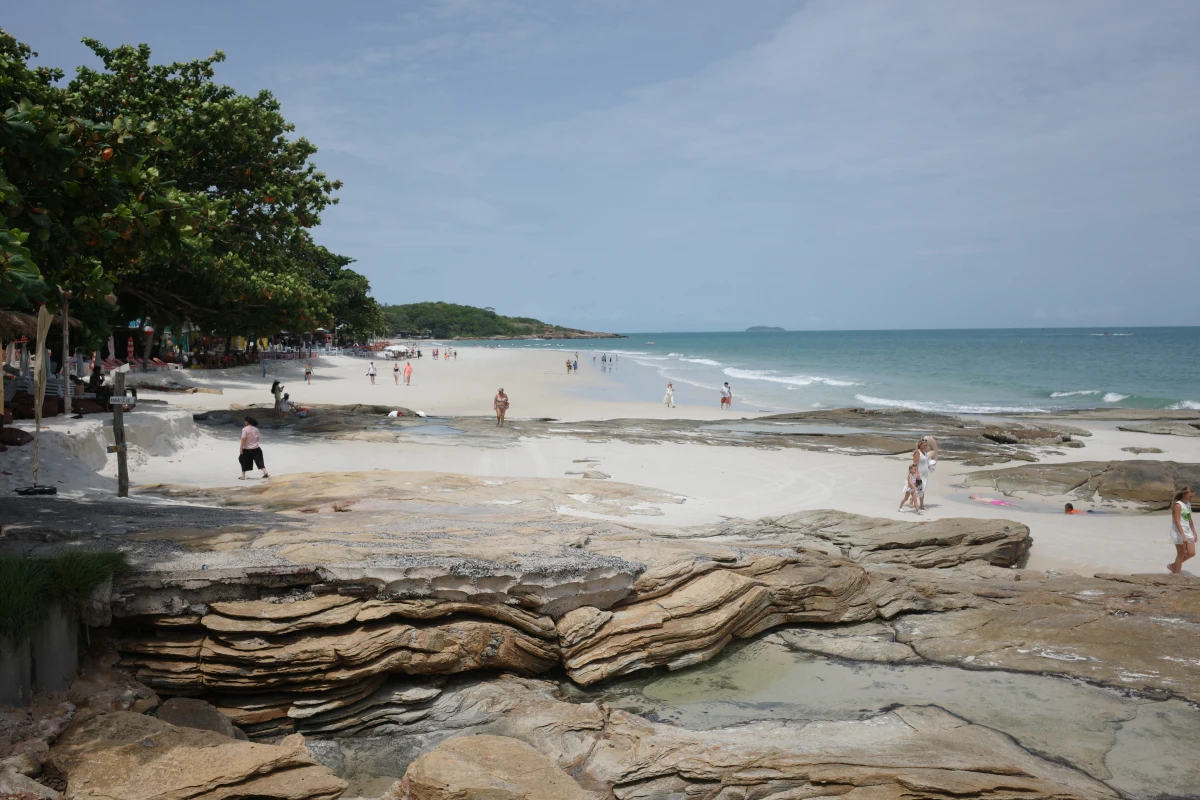
Koh Samet is the closest good island beach to Bangkok. Buses leave from the Eastern Bus Terminal at Ekkamai for Ban Phe, where boats cross to the island. Most people go for a night or two, so this works best as Days 4 and 5, or as the end of a longer trip.
Snorkel gear, a life vest, a floating board, water, fruit and snacks are included, along with free underwater photos. Fins aren't, so bring your own if you like them. The national park and coral reef fees aren't included, so budget for them on top.
You need a moderate level of fitness, and it isn't recommended if you have poor heart health. Bookings are all sales final, and the trip isn't cancelled for bad weather, so check the forecast before you book.
Thai massage in Bangkok: what to expect
You keep your clothes on. Most places give you loose cotton trousers and a top to change into. Expect the therapist to move your legs and arms into stretches and press along your muscles with palms, thumbs and elbows. If it's too strong, say so, and they'll ease off.
A massage after a temple day is the most common way to fit one in. Wat Pho is the traditional place to start. If you want to understand what's being done to you, the workshop on Day 2 teaches the basics and ends with a full session.
Getting around Bangkok
- BTS Skytrain: covers the modern centre, Siam, Silom, Sukhumvit and Mo Chit.
- MRT: runs underground, and reaches the old town at Sanam Chai and Chinatown at Wat Mangkon.
- Chao Phraya Express Boat: links Sathorn, next to BTS Saphan Taksin, with Tha Tien and Tha Chang in the old town.
- Cross-river ferries: short hops, such as Tha Tien to Wat Arun.
- Taxis and ride-hailing apps: good at night and in groups. Ask a taxi to use the meter, or book in an app so the fare is set.
From Suvarnabhumi airport, the Airport Rail Link reaches Phaya Thai, where it meets the BTS, in about half an hour. Don Mueang, the city's other airport, mostly serves budget airlines, so check which one your ticket names.
Tuk-tuks are fun once. Agree the price before you get in, and say no to any driver who wants to take you to a gem or tailor shop on the way.
When to go to Bangkok
From March to May it's very hot. Plan indoor time for the afternoons, and start early. The rains run from about May to October, usually in heavy afternoon showers that pass. Mornings stay usable, so the plan still works if you start early.
Mid-April brings Songkran, the Thai New Year, when much of the city turns into a water fight. It's great fun, but anything you carry will get wet.
Good to know before you go
- Visas: since 15 September 2026, travellers from countries on Thailand's visa exemption list can stay up to 30 days for tourism. Some nationalities have different terms under separate agreements, so check yours. The UK's entry requirements for Thailand set out the rules, including proof of onward travel and funds.
- Arrival card: every foreign visitor fills in the Thailand Digital Arrival Card online within three days before arrival. Use only the official site, tdac.immigration.go.th, which is free.
- Passport: it needs at least six months' validity from your arrival date.
- Vapes: possessing or using any vape or e-cigarette is illegal, with no exception for tourists.
- The monarchy: criticising the royal family is a crime in Thailand, so keep any opinions to yourself.
- Temples: cover your shoulders and knees, take off your shoes where others do, and never point your feet at a Buddha image.
- Money: the currency is the baht. Hotels and malls take cards, but markets, street food and small shops want cash.
- Data: buy a Thailand eSIM from Travel Insider before you fly, so you land with maps and ride-hailing working.
- Heat: carry water, wear a hat, and plan a break in the hottest part of the day.
If Bangkok is one stop on a longer trip through the region, our three-day Singapore itinerary follows the same pattern.
To start planning, book the hands-on Thai massage workshop for your second day, since it runs Tuesday to Sunday. Then build the temple day and the market day around it.
Questions
Are 3 days enough for Bangkok?
Yes, for a first visit. Three days covers the old town temples, Chinatown, a market and a bit of the modern centre. Add a fourth day for Ayutthaya, or two more for a night on Koh Samet.
How many days do you need in Bangkok?
Three days is enough for the main sights. Four or five lets you add a day trip or a night by the sea, and slow down a little.
What is the best month to go to Bangkok?
November to February is the best time, when it's cooler and drier. December and January are the most comfortable and the busiest. March to May is very hot, and May to October brings afternoon rain.
Is 5 days in Bangkok too long?
No, if you use the extra days well. Spend three days in the city, then a day in Ayutthaya, or go to Koh Samet for a night. Five days purely in the city is more than most first-time visitors need.
What is a good 3-day itinerary for Thailand?
With only three days, stay in Bangkok and follow the plan above. Trying to add Phuket or Chiang Mai means flights that eat a day each way. If you want a beach, Koh Samet is close enough for a short trip.
Do I take my clothes off for a Thai massage?
No. Traditional Thai massage is done fully clothed, usually in loose cotton clothes the spa gives you. It uses no oil. Oil and aromatherapy massages are different, and the spa will tell you what to wear for those.