Singapore itinerary for 3 days: a first-timer's plan
How this Singapore itinerary splits 3 days
Here is the shape we suggest:
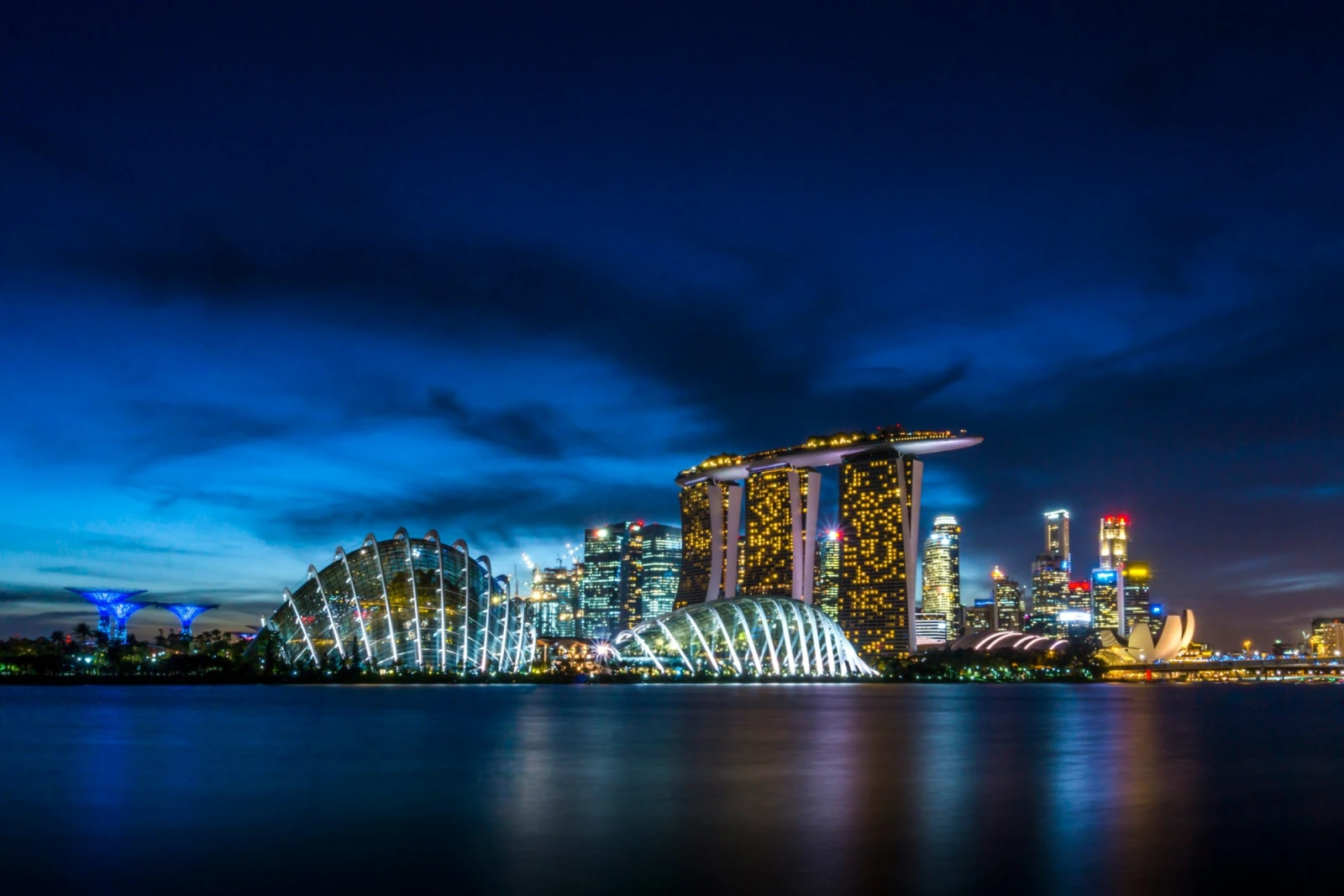
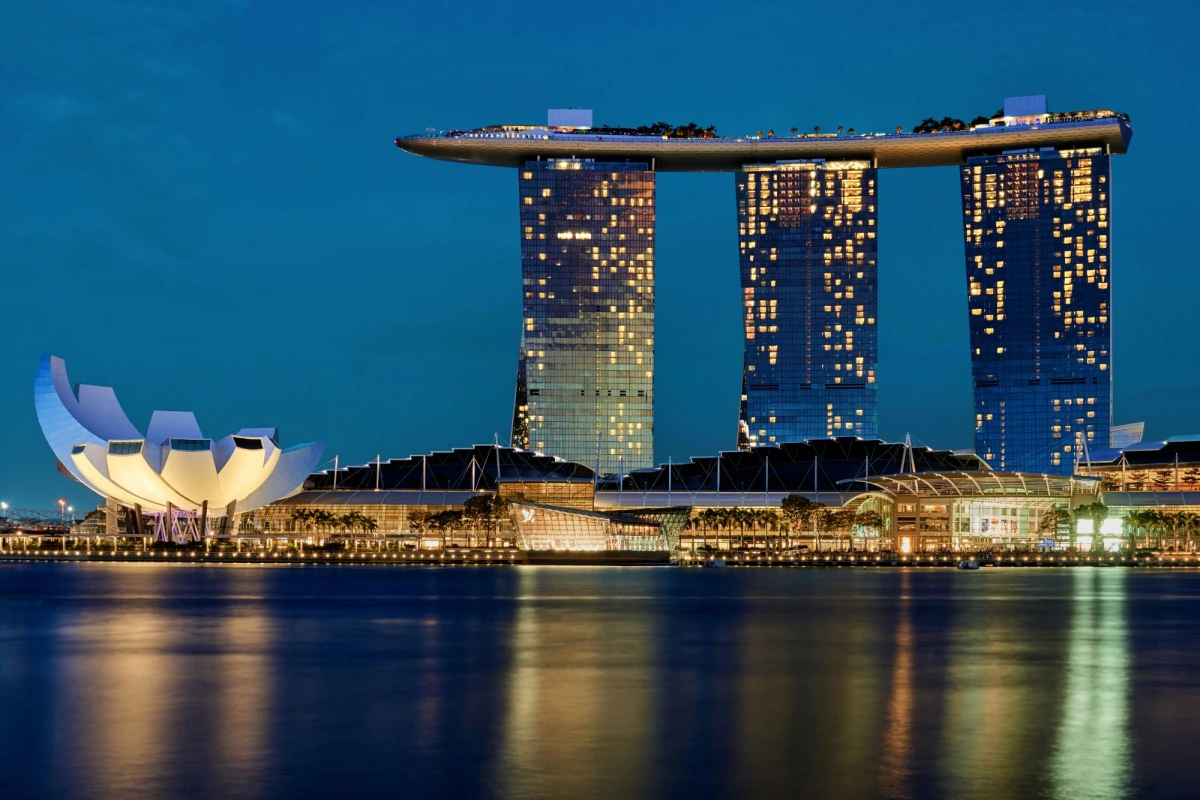
- Day 1: Marina Bay, Gardens by the Bay and the Singapore River. The modern skyline, the gardens and the free light shows at night.
- Day 2: Chinatown, Little India and Kampong Gelam. Temples, shophouses, hawker food and the city's mix of cultures.
- Day 3: your choice. Sentosa for beaches and theme parks, the wildlife parks at Mandai, or a slower day at the Botanic Gardens and Orchard Road.
If you land in the afternoon, start with Day 1's evening part: Gardens by the Bay and the light shows work well on tired legs. If you fly out late on the last day, leave Jewel at Changi Airport for the end.
Plan the walking for mornings and evenings, and spend the middle of the day somewhere air-conditioned. Singapore is hot and humid all year, and a long walk at 2pm wears people out fast.
Day 1: Marina Bay, Gardens by the Bay and the river
Morning: the bay on foot
Start at Merlion Park, where the half-lion, half-fish statue spits water into the bay. It's busiest in the late morning, so go early for photos without a crowd.
From there, walk around the bay towards Marina Bay Sands. The path takes you past the Esplanade theatres, whose spiky roofs locals compare to a durian, then over the Helix Bridge. The whole loop is flat and easy, with shade in places.
If you want the view from the top, the SkyPark Observation Deck sits on the roof of Marina Bay Sands. Entry is by timed ticket and the hours change for events, so book a slot on the official Marina Bay Sands site before you go. Late afternoon is a good time, as the light softens over the city.
Afternoon: Gardens by the Bay
Walk through Marina Bay Sands to Gardens by the Bay. The outdoor gardens, including the Supertree Grove, are open from 5am to 2am and cost nothing to walk around.
The two big glass domes are the place to spend the hottest hours. Flower Dome is a cool, dry garden of flowers from around the world. Cloud Forest is a misty indoor mountain with a tall waterfall at its entrance. Both open from 9am to 9pm, with last entry at 8.30pm for Flower Dome and 8pm for Cloud Forest, according to the gardens' opening hours page. Allow about an hour for each.
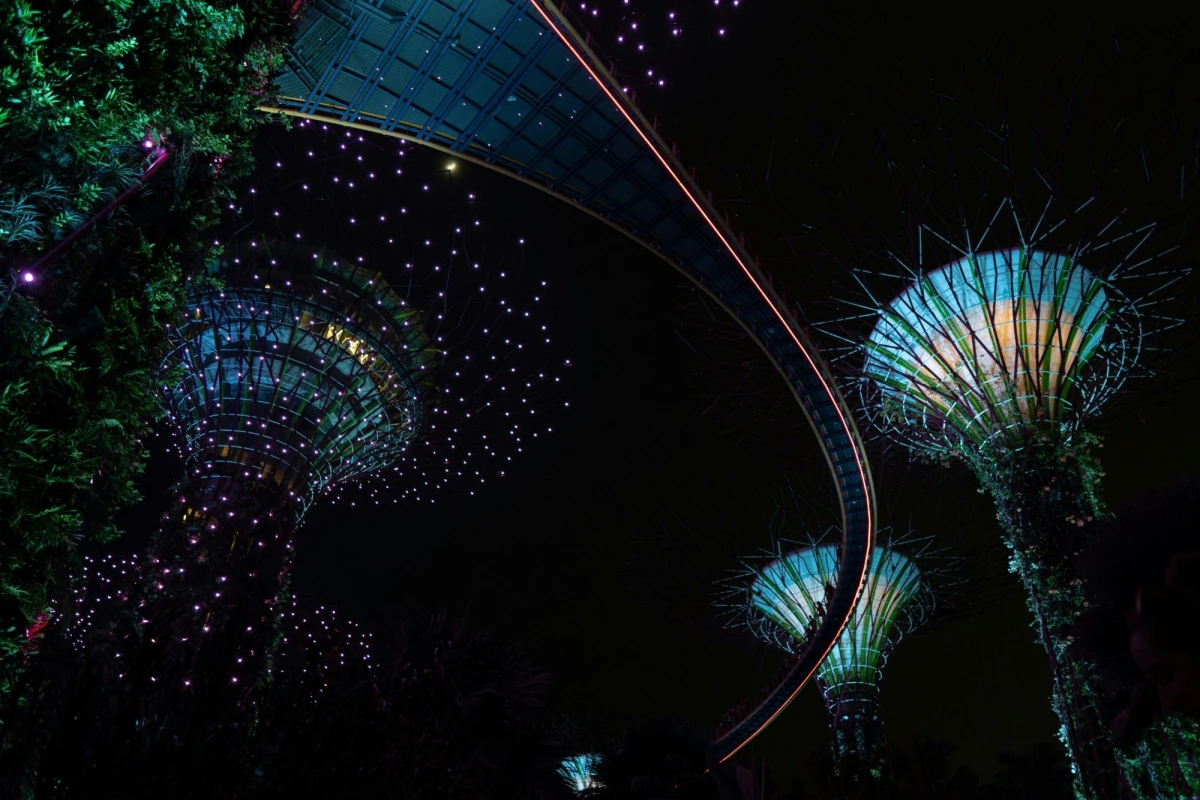
The OCBC Skyway, a walkway strung between the Supertrees, opens on the same hours. It's worth it for the view if heights don't bother you.
Evening: two light shows and the river
Stay at the Supertree Grove for Garden Rhapsody, the free light and music show. It runs every night at 7.45pm and 8.45pm. Many people lie back on the ground under the trees to watch.
After the 7.45pm show, walk back through Marina Bay Sands to the Event Plaza on the waterfront. Spectra, the free water and laser show, plays there at 8pm and 9pm from Sunday to Thursday, and also at 10pm on Fridays and Saturdays. The 9pm show is easy to reach after Garden Rhapsody. Allow about 15 minutes for the walk.
For dinner, Lau Pa Sat is a short ride away in the financial district. From around 7pm, the street beside it closes to traffic and fills with satay stalls grilling skewers over charcoal. Order by the dozen and share.
If you'd rather see the bay from the water, a 40-minute Singapore River cruise takes you from the old warehouses of Clarke Quay out to Marina Bay. It works in the evening too, when the skyline is lit.
Day 2: Chinatown, Little India and Kampong Gelam
Morning: Chinatown
Start at the Buddha Tooth Relic Temple, a large red temple on South Bridge Road. It's open from 9am to 5pm and entry is free. Dress with shoulders and knees covered, and keep your voice down on the upper floors.
Across the road is the Sri Mariamman Temple, Singapore's oldest Hindu temple, with its tower of painted gods over the gate. Then wander the shophouse streets around Pagoda Street and Temple Street, where the old two-storey shops now sell everything from tea to souvenirs.
For lunch, Maxwell Food Centre and Chinatown Complex Food Centre are two of the city's best-known hawker centres. Hawker centres are open-air food courts with dozens of small stalls, and they're where many Singaporeans eat every day. In 2020, UNESCO added Singapore's hawker culture to its list of the world's intangible heritage.
If you'd like someone to choose for you, a small-group food tour in Chinatown takes three and a half hours and includes nine tastings, from Michelin-listed stalls to local favourites. It's a good way to try dishes you wouldn't know to order.
Afternoon: Little India
Take the MRT to Little India station. The streets around Serangoon Road are full of colour: flower garlands, spice shops, gold jewellers and sari stores.
Tekka Centre, next to the station, has a wet market and a hawker centre with Indian and Malay food. It's a good stop for a cold drink or a plate of biryani. Further along Serangoon Road is the Sri Veeramakaliamman Temple, one of the oldest temples in the area.
Late afternoon: Kampong Gelam
Kampong Gelam, around Arab Street, is a short walk or a quick MRT ride away. The golden dome of the Sultan Mosque stands at the end of Bussorah Street, lined with palm trees and cafés.
Visitors are welcome outside prayer times. Cover your arms and legs, take off your shoes, and use the robes at the entrance if you need them. Visiting hours change around prayers and on Fridays, so check before you go.
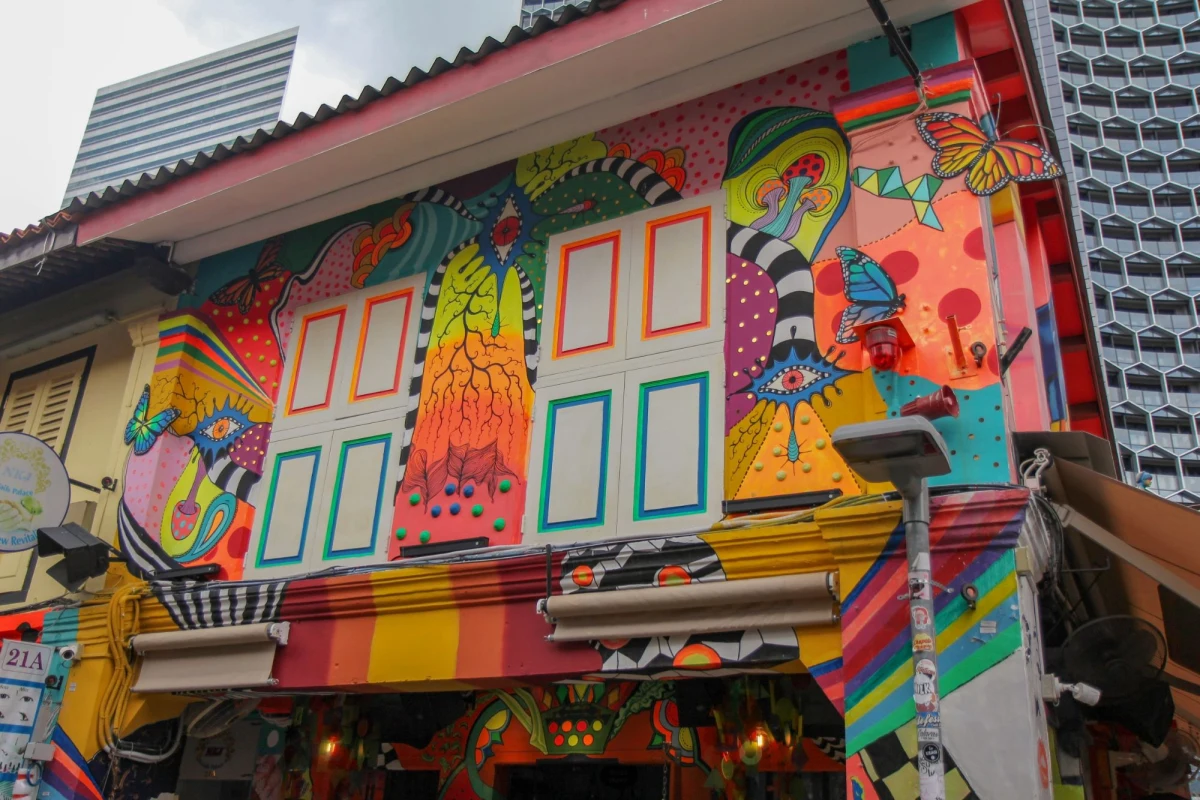
Then walk to Haji Lane, a narrow street of murals, small boutiques and bars. It gets lively after dark, which makes it a good place to end the day with dinner.
Prefer not to plan the route yourself? A 4-hour walking tour of Chinatown, Little India and Arab Street covers all three areas. The guide explains what you're looking at as you go.
Day 3: Sentosa, the wildlife parks or a slower day
Sentosa: beaches and theme parks
Sentosa is a resort island just south of the city. Take the MRT to HarbourFront and walk into VivoCity mall. From there you can walk across the Sentosa Boardwalk, which starts from VivoCity's waterfront, or ride the Sentosa Express monorail from VivoCity to the island.
Choose Sentosa for a beach day, or a full day at Universal Studios Singapore. Palawan Beach is the easy choice for families, with its suspension bridge out to a small islet. A theme park takes the whole day on its own, so don't plan anything else around it.
Sentosa suits families and anyone who wants a slower, sunnier day. Skip it if you've come to Singapore for culture and food, as it's the least local part of the trip.
Mandai: Bird Paradise and the Night Safari
The wildlife parks are in Mandai, in the green north of the island. They're further out, so plan the whole afternoon and evening there.
Spend the afternoon at Bird Paradise, which is open from 9am to 6pm with last entry at 5pm. Then move next door to the Night Safari, open from 6pm to midnight, with last entry at 11.15pm. Its walking trails and the guided tram start at 7pm. Seeing animals active at night is something few cities offer, and children love it.
Getting there takes some planning. Mandai runs a shuttle bus from Khatib MRT station, and taxis are easy for the trip home. Book tickets in advance on the Mandai website, especially for weekend evenings.
A slower day: the Botanic Gardens and Orchard Road
If two busy days have tired you out, start early at the Singapore Botanic Gardens. They're free, open from 5am to midnight, and listed as a UNESCO World Heritage Site since 2015. The paths around Swan Lake are pleasant before the heat builds. The National Orchid Garden inside is the highlight for many visitors.
From the gardens' Tanglin Gate it's a short walk to Orchard Road, Singapore's main shopping street. Spend the hot afternoon in its air-conditioned malls.
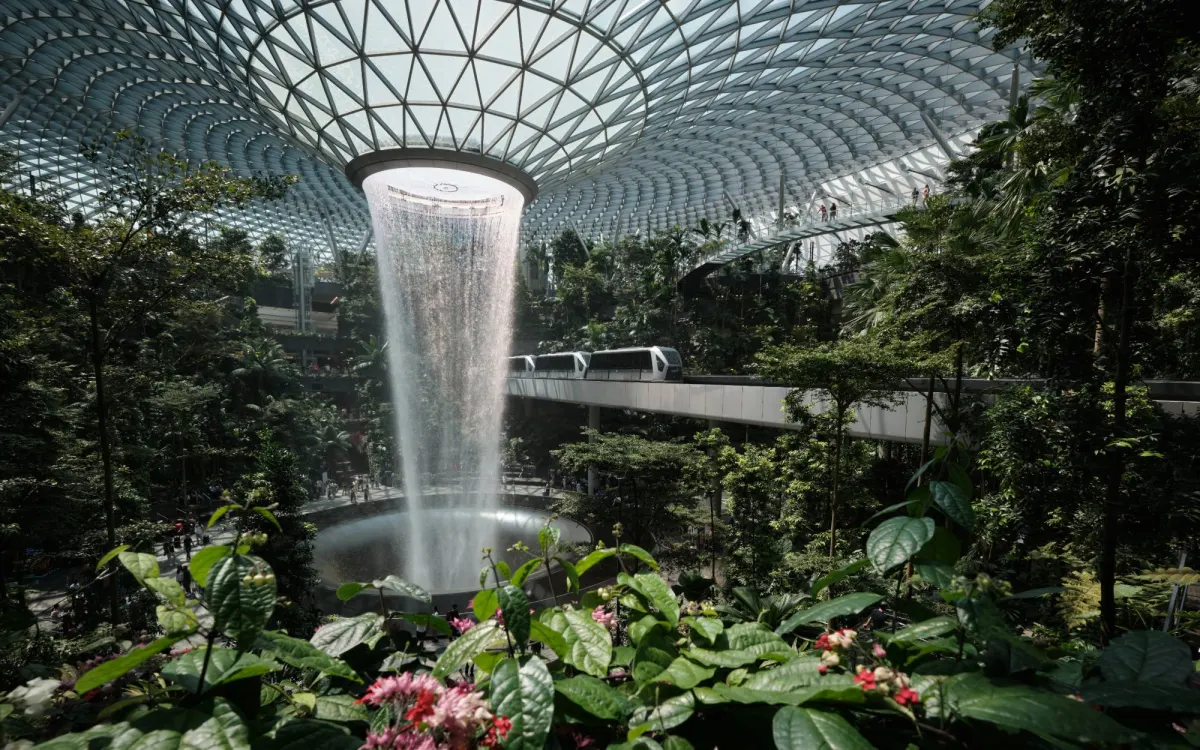
If you're flying out, give yourself time for Jewel at Changi Airport before check-in. Its Rain Vortex is the world's tallest indoor waterfall, falling about 40 metres through the middle of a glass dome. It runs from 10am to 10pm, with light and music shows at 8pm and 9pm, and also at 10pm on Fridays, weekends and public holidays.
Getting around in three days
You don't need to buy a travel card. You can tap a contactless Visa, Mastercard or American Express card, or a phone wallet, at the gates. An admin fee applies to cards issued outside Singapore, so check with your bank. The SimplyGo travel cards page lists the cards that work. If you'd rather not use your own card, the Singapore Tourist Pass gives unlimited rides on trains and buses for one to three days.
From Changi Airport, take the MRT from Changi Airport station and change at Tanah Merah for trains into the city. Taxis and ride-hailing apps are easy to find at every terminal too, and worth it late at night or with heavy bags.
For a first look at the city, an open-top hop-on hop-off bus runs two routes past the main landmarks. It's handy on Day 1 if you'd rather ride than walk in the heat.
What to eat in three days
- Hainanese chicken rice: poached chicken with rice cooked in chicken stock, chilli and ginger on the side. Every hawker centre has a stall.
- Laksa: noodles in a spicy coconut curry broth, often with prawns and cockles.
- Char kway teow: flat rice noodles fried in a hot wok with egg, beansprouts and dark soy.
- Satay: grilled skewers of chicken, beef or mutton with peanut sauce. Lau Pa Sat on Day 1 is the place.
- Chilli crab: crab in a sweet, spicy tomato and egg sauce, eaten with fried buns. It's usually a restaurant meal rather than a hawker one, so book ahead.
- Kaya toast: toast with coconut jam and butter, with soft-boiled eggs and strong coffee. It's the classic Singapore breakfast.
At a hawker centre, find a seat first. A packet of tissues on a table means someone has reserved it. Then order at the stalls with the longest queues of locals; they're usually the best.
If it rains
- On Day 1, swap the walk around the bay for the Flower Dome and Cloud Forest, or the ArtScience Museum at Marina Bay Sands.
- On Day 2, the National Gallery Singapore and the Asian Civilisations Museum are both near City Hall. They're a good hour or two out of the weather, and they explain the history behind the streets you'll walk later.
- On Day 3, Jewel at Changi Airport and the malls on Orchard Road are fully covered.
Many MRT stations in the centre link straight into malls and covered walkways, so you can often reach the next stop without getting wet.
Where to stay for a short trip
- Marina Bay and City Hall: closest to Day 1's sights and the skyline, and the most expensive.
- Clarke Quay and the river: lively at night, with restaurants on the water and easy MRT links.
- Chinatown: good food on the doorstep, older streets, and well connected.
- Bugis and Kampong Gelam: a little cheaper, close to Little India and Arab Street, and good for Day 2.
We'd pick Chinatown or the river for a first visit. You get the old city and the food within walking distance, and Marina Bay is only a few stops away.
Good to know before you go
- Weather: Singapore is near the equator and warm all year. Short, heavy afternoon storms are common, especially from October to November and from late March to May. Carry a small umbrella and plan indoor stops for the afternoons.
- Best time of day: Go out early and come back out after sunset. The light shows, the hawker centres and the riverside are all at their best in the evening.
- What to wear: Light, loose clothes and comfortable shoes. Bring something to cover your shoulders and knees for temples and mosques.
- Arrival card: Every visitor fills in the free SG Arrival Card online within three days before arriving. Use only the official ICA page or the MyICA app, as some other sites charge a fee for the same form.
- Paying at hawker centres: not every stall takes cards, so keep a little cash with you.
- Rules: Singapore is strict about littering, smoking outside marked areas and eating or drinking on the MRT. Follow the signs and you'll have no trouble.
Questions
Is 3 days enough for Singapore?
Yes, for a first visit. Three days covers Marina Bay, the heritage areas and one of Sentosa, Mandai or the Botanic Gardens. Add a fourth day if you want both Sentosa and the wildlife parks.
What is the best area to stay in Singapore for 3 days?
Chinatown or the Singapore River area for most first-time visitors. Both have good food nearby and quick MRT links to Marina Bay. Choose Marina Bay itself if the skyline matters most and the budget allows.
How do I get from Changi Airport to the city?
Take the MRT from Changi Airport station and change at Tanah Merah for trains heading into the city. Taxis and ride-hailing apps are also easy to find at every terminal.
What can I do for free in Singapore?
Plenty. The outdoor gardens and Supertree Grove at Gardens by the Bay, Garden Rhapsody, Spectra, Merlion Park, the Botanic Gardens and the temples in Chinatown and Little India are all free. Walking the heritage streets costs nothing either.
When is the best time to visit Singapore?
Any month works, as Singapore is warm all year. Expect more rain from December to early January, and short afternoon storms from October to November and late March to May.
Is Sentosa worth it on a short trip?
It depends on what you like. For beaches, a theme park or a day with children, yes. If you have only three days and love food and culture, the heritage areas and Mandai may suit you better.
For an easy start on your first day, book the Big Bus hop-on hop-off tour and let it take you past the landmarks before you explore on foot.