Seoul itinerary: 4 days with the Han River and Bukhansan
How this Seoul itinerary splits four days
Here's the shape we suggest:
- Day 1: Gyeongbokgung Palace, Bukchon and Insadong, then dinner at Gwangjang Market.
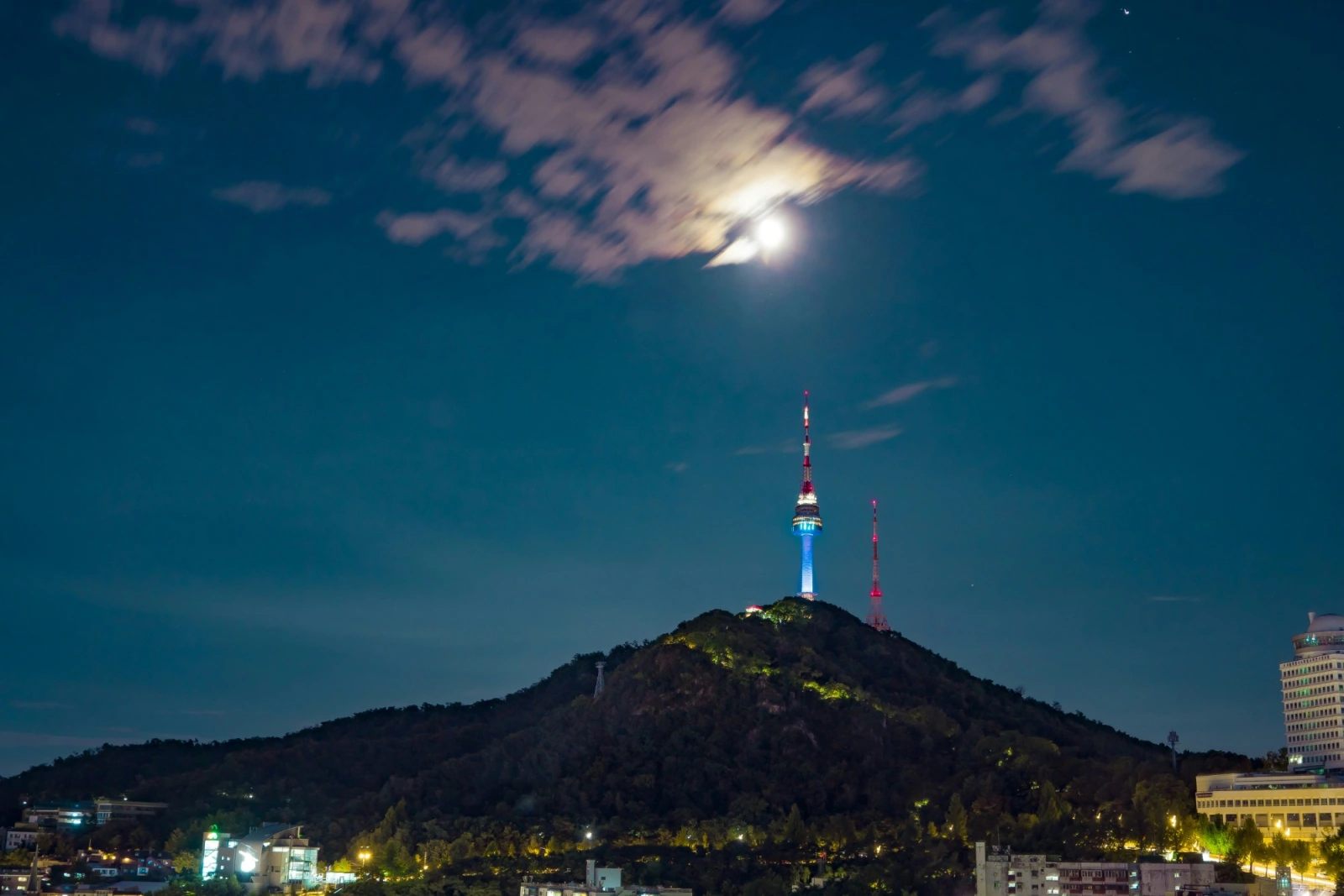
- Day 2: Changdeokgung Palace and its Secret Garden, Myeongdong, then sunset from N Seoul Tower.
- Day 3: a hike on Bukhansan, the granite mountain on the city's northern edge.
- Day 4: the Han River by paddleboard, bike or picnic mat, then an evening in Hongdae.
Two palaces decide the order. Gyeongbokgung closes on Tuesdays and Changdeokgung on Mondays. If your first day lands on one of those, swap Day 1 and Day 2.
Save the hike for a dry day when your legs feel fresh. Rocky trails get slippery after rain, and a clear sky gives you the view back over the city. If the forecast looks bad, do Day 4 first and hike later.
With a fifth day, a guided tour to the DMZ, the border with North Korea, is the usual add-on.
Day 1: Gyeongbokgung, Bukchon and Insadong
Morning: Gyeongbokgung Palace
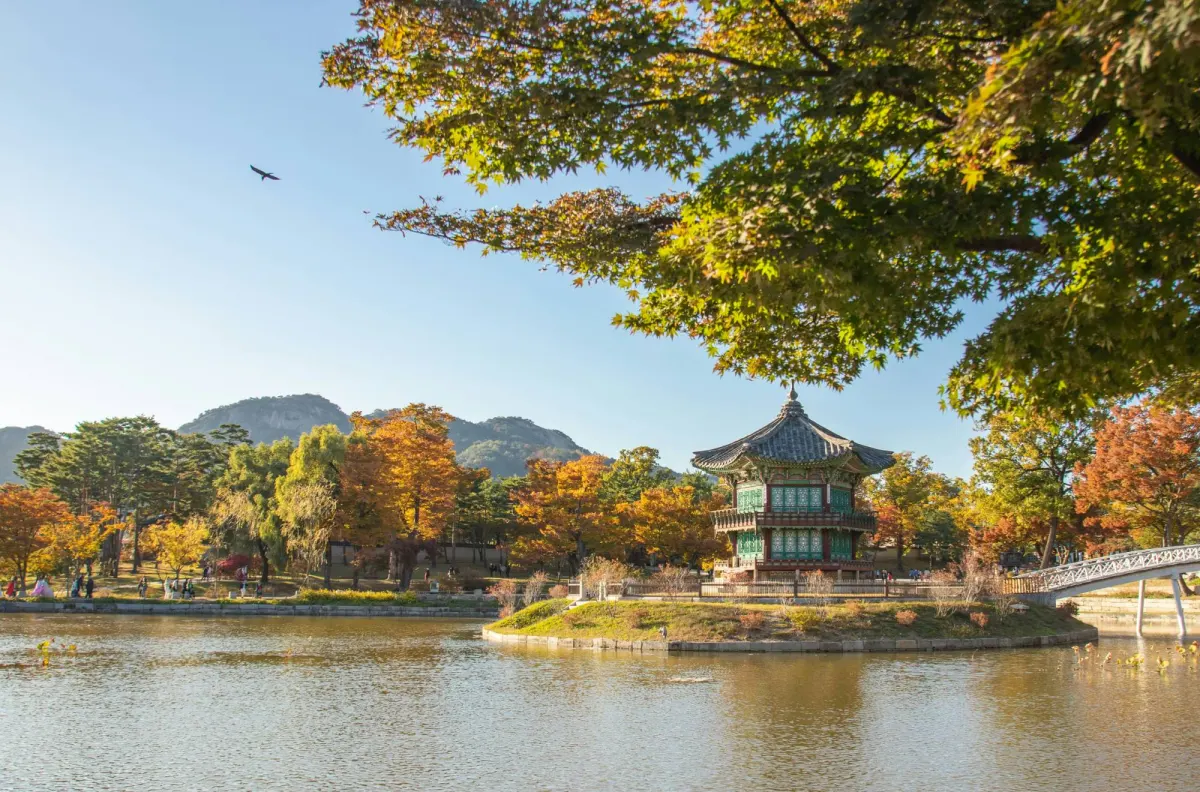
Start at Gyeongbokgung, built in 1395 as the main palace of the Joseon kings and the largest of Seoul's royal palaces. Take Line 3 to Gyeongbokgung Station and leave by Exit 5.
The palace opens at 9am. It closes between 5pm and 6.30pm depending on the season, with last entry an hour before closing.
Be at Gwanghwamun, the main gate, for 10am, when the royal guard changes in colourful Joseon-era uniforms. There's a second ceremony at 2pm, and both are cancelled in heavy rain or snow.
Free English tours of the palace grounds leave at 11am, 1.30pm and 3.30pm, and small groups can simply turn up. Allow about two hours inside. Leave time for Gyeonghoeru, the royal banquet pavilion that stands in its own pond.
For photos in traditional dress, you'll find hanbok rental shops near the palace. Anyone wearing a full hanbok gets into Gyeongbokgung free.
Afternoon: Bukchon and Insadong
Walk east from the palace into Bukchon, a hillside neighbourhood of traditional hanok houses. People live in these homes, so keep your voice down and don't photograph through doors or windows.
The busiest lanes, around Bukchon-ro 11-gil, are closed to tourists from 5pm to 10am, and visitors caught there in those hours are fined. Seoul's notice on the Bukchon visiting hours shows the zone. Go in the early afternoon.
From Bukchon, wander down to Insadong. Its main street and alleys are full of tea houses, galleries and craft shops. Ssamziegil, an arcade of small shops built around a spiralling ramp, is good for souvenirs, and a hanok tea house makes a calm break.
Finish the afternoon in Ikseon-dong, a small cluster of old hanok lanes now filled with cafés and restaurants.
Evening: Gwangjang Market
End the day at Gwangjang Market, next to Exit 8 of Jongno 5-ga Station on Line 1. Its food alley stays open until 11pm, long after the fabric shops around it have closed.
Pull up a stool at one of the counters. Order bindaetteok, a thick mung bean pancake fried crisp in front of you, and mayak gimbap, small rice rolls that people eat by the plateful. If you're feeling brave, try yukhoe, Korean beef tartare.
Day 2: the Secret Garden, Myeongdong and N Seoul Tower
Morning: Changdeokgung and the Secret Garden
Changdeokgung is a short walk from Exit 3 of Anguk Station on Line 3. Come for the Secret Garden behind the palace, a royal garden of ponds, pavilions and old trees on a wooded hillside.
You can only enter the garden on a guided tour, with its own ticket. From March to November, English tours start at 10.30am, 11.30am, 2.30pm and 3.30pm, with fewer in winter.
Each tour takes up to 100 people per language. Half the places are sold online and half at the gate on the day, so book online if your dates are fixed. Changdeokgung is closed on Mondays.
Afternoon: Myeongdong
Take the subway to Myeongdong Station on Line 4. Myeongdong is Seoul's main shopping street for visitors, lined with Korean skincare and make-up shops.
Stay until the lights come on. In the evening, food stalls fill the main street, selling skewers, spiral-cut "tornado" potatoes and sweet treats.
Evening: N Seoul Tower
From Exit 3 of Myeongdong Station, it's a seven or eight-minute walk to the Namsan cable car, which runs from 10am to 11pm. You can also take the Namsan circular buses 01A or 01B, which only take transport cards, or walk up through Namsan Park.
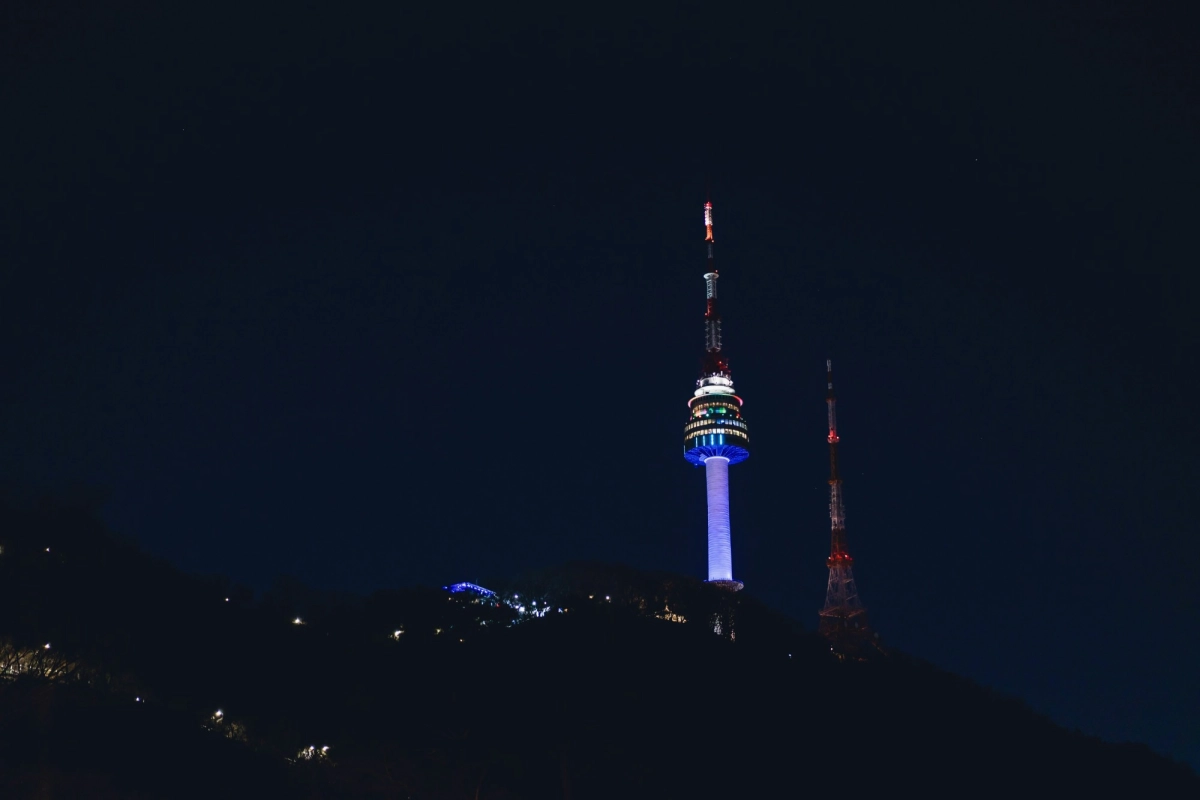
The tower's observatory opens from 10am to 10.30pm on weekdays and until 11pm at weekends. Go up just before sunset, and you'll see the city by daylight and then lit up at night.
Day 3: hiking Bukhansan
You can hike it with a guide or on your own.
With a guide: an easy trail, lunch and a spa
The simplest option is a private Bukhansan hike with hotel pickup, lunch and a Korean spa. A driver-guide and a mountain expert take you up the Gugi-dong course, an easy trail that suits beginners, past Seunggasa Temple. The walking takes two to four hours, depending on your pace.
Afterwards you sit down to a traditional Korean lunch, then rest your legs in a Korean-style spa. The whole day takes about seven hours, hotel to hotel. You'll need at least moderate fitness, and children must be over eight and with an adult.
We'd choose this for a first visit. You don't have to work out buses or trail junctions, and a spa is a fine way to end a morning on the mountain.
On your own: the climb to Baegundae
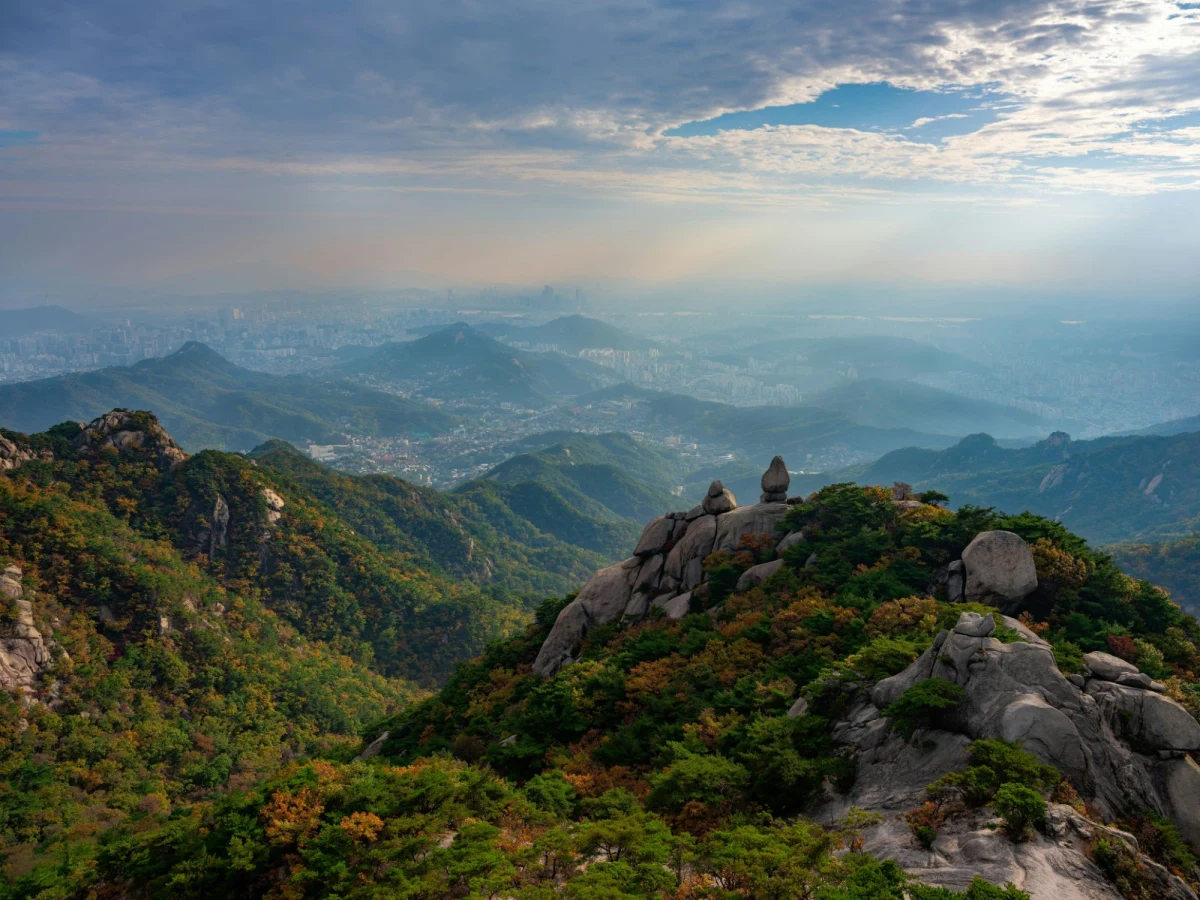
Fit hikers can climb to Baegundae, the summit, without a guide. The usual route starts at the Bukhansanseong Information Center and loops back past Yongammun Gate and Jungheungsa Temple. It's about 9km and takes around five hours.
The trail is steep, with rocky sections near the top, though there are rest areas along the way. Some sections close at times because of the risk of falling rock, so check the Korea National Park Service website the day before.
To get there, take Line 3 to Gupabal Station, leave by Exit 2 and catch bus 704. Get off at the Bukhansanseong Fortress entrance, then walk about 700 metres up the road to the visitor centre.
Entry to the park is free. You can start up the trails from 4am, and the last start is 4pm from December to February or 5pm from March to November. Set off early so you're down well before dark.
Wear shoes with good grip, and carry water, snacks and a warm layer, as the top is colder and windier than the city.
For a shorter walk, Inwangsan, close to Gyeongbokgung, is an easy 3.5km round trip of about two hours from Exit 1 of Gyeongbokgung Station.
Day 4: the Han River and Hongdae
Morning: paddle the river
In the warmer months, start on the water with two hours of stand-up paddleboarding or kayaking on the Han River. It's run in English, and a life jacket, a towel and a shower are included. Complete beginners can add a one-hour basic lesson on the day for an extra fee.
From the water you can see Lotte World Tower and N Seoul Tower above the city. Mornings are calm, and late afternoons bring the sunset. Dates currently run from early summer to mid-autumn, so check the calendar on the booking page.
Outside those months, or if you'd rather stay dry, ride the Hangang Bus. This river ferry links piers including Yeouido, Ttukseom and Jamsil, and its timetable changes, so check it before you go.
Afternoon: Yeouido Hangang Park
Spend the afternoon at Yeouido Hangang Park, a four-minute walk from Exits 2 and 3 of Yeouinaru Station on Line 5. Locals spread mats on the grass, and you can do the same.
Buy instant ramyeon at a convenience store in the park and cook it in the special ramyeon machine. For fried chicken, there are shops in the park, and you may be handed delivery leaflets as you leave Exit 2. Fried chicken with beer, called chimaek, is a Han River picnic favourite.
To ride along the river, rent a Seoul Bike, the city's public bike, or use one of the rental shops in the park. The Seoul Bike app works in English, has an option for foreign visitors and takes overseas cards.
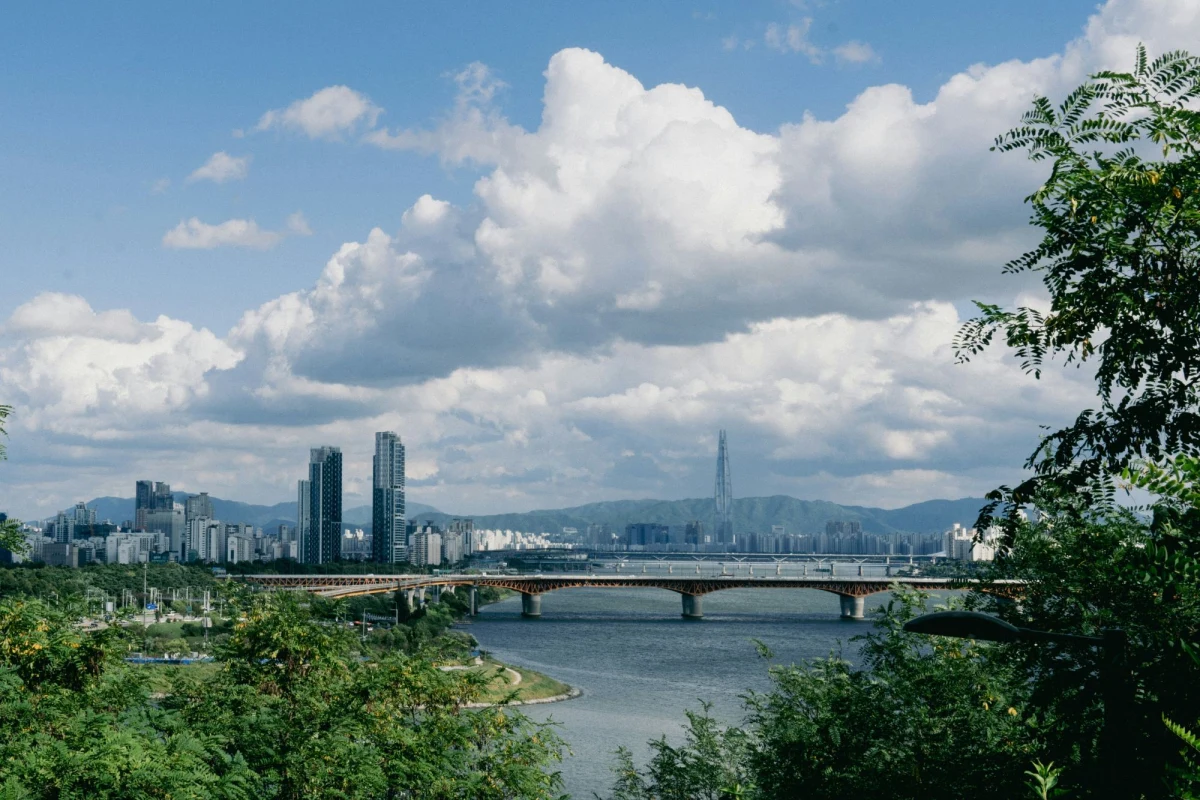
Evening: the rainbow fountain or Hongdae
From April to October, the Moonlight Rainbow Fountain on Banpo Bridge sends jets of coloured water over the river in the evening. Show times change by month. The nearest station is Express Bus Terminal, Exits 8-1 and 8-2.
The rest of the year, or if you'd rather have food and music, go to Hongdae. Hongik University Station is on Line 2 and the airport railway. From Exit 3, walk into Gyeongui Line Forest Park, a long, thin park built on an old railway line.
On warm evenings people sit out along the park, and the streets around it fill with bars, small restaurants and buskers.
Getting around Seoul
Pay with a T-money card. You can buy one at convenience stores such as GS25, CU and 7-Eleven, or at the information centres in stations on Lines 1 to 8. Top it up at the station machines, and use it on buses and in taxis too.
If you'll ride a lot, Seoul's Climate Card for visitors gives unlimited subway and bus rides in the city for one, two, three, five or seven days. It starts on the day you load it. It doesn't cover airport buses, and you can't board the airport train with it at the airport, so pay for that first ride with T-money. The Climate Card page lists what it covers.
Download Naver Map or KakaoMap before you land. Google Maps navigation doesn't work in Korea, and both Korean apps come in English. For taxis, k.ride is an app made for international visitors.
From Incheon Airport, the AREX airport railway runs to Seoul Station. The express train takes about 43 minutes from Terminal 1 and 51 minutes from Terminal 2. The all-stop train takes about an hour and stops at Hongik University, handy if you're staying in Hongdae.
Where to stay
- Myeongdong: shopping, street food and the Namsan cable car on your doorstep, with quick subway links to everything else.
- Jongno and Insadong: walking distance to the palaces and Bukchon, with traditional streets around you.
- Hongdae: lively at night and on the airport railway, but further from the palaces.
- Gangnam: modern and smart, though you'll spend longer on the subway for Days 1 and 2.
We'd pick Myeongdong or Jongno for a first visit. Days 1 and 2 start almost at your door, and the river and the mountain are an easy ride away.
What to eat in Seoul
- Korean barbecue: pork belly or beef grilled at your table, wrapped in lettuce with garlic and sauce.
- Bibimbap: rice topped with vegetables, egg and chilli paste, mixed just before you eat.
- Kimchi jjigae: a spicy kimchi stew with pork or tofu, best on a cold day.
- Tteokbokki: chewy rice cakes in a sweet, spicy red sauce, sold at street stalls.
- Bindaetteok and mayak gimbap: the Gwangjang Market favourites from Day 1.
- Chimaek: Korean fried chicken with beer, at its best by the river.
- Hotteok: a pan-fried pancake filled with brown sugar and nuts, sold from street stalls in winter.
Most Korean meals come with banchan, small side dishes such as kimchi and seasoned vegetables.
Good to know before you go
- Best time to visit: spring, from March to May, and autumn, from September to November, have mild weather for walking. Summer brings heavy rain from late June to late July, and winter days often drop below freezing.
- Entry: check on the official K-ETA website whether you need a K-ETA, Korea's online travel authorisation. You may also need the free e-Arrival Card, which opens three days before arrival. The official e-Arrival Card guide explains it.
- Palace days: Gyeongbokgung closes on Tuesdays and Changdeokgung on Mondays.
- Money: cards are widely accepted, but carry some cash for market stalls.
- Language: a translation app helps away from the main sights. Papago is the one most Koreans use.
- If it rains: the National Museum of Korea is free to enter for its permanent galleries and easily fills a wet afternoon.
- In winter: dress in layers with gloves and a hat, and ask about trail conditions before the hike.
Questions
Is 4 days enough in Seoul?
Yes, for a first visit. Four days covers the palaces, the markets, Namsan, a hike and the Han River without rushing. Add a fifth day for a DMZ tour or more time in Gangnam.
What should you not miss in Seoul?
Gyeongbokgung Palace and the changing of the guard, dinner at Gwangjang Market and the view from N Seoul Tower. Then give yourself a day outdoors, on Bukhansan or by the Han River.
How hard is the Bukhansan hike?
It depends on the trail. The climb to Baegundae is steep and rocky near the top and takes around five hours. Easier routes such as the Gugi-dong course take two to four hours and suit beginners with moderate fitness.
Is English widely spoken in Seoul?
In central Seoul you'll find English on subway signs and announcements, and on many menus. Away from the main sights, English is less common. A translation app such as Papago fills the gaps.
How do I get from Incheon Airport to central Seoul?
Take the AREX airport railway. The express runs non-stop to Seoul Station in about 43 minutes from Terminal 1 and 51 minutes from Terminal 2. The all-stop train is slower but also serves Hongik University.
When is the best time to visit Seoul?
Spring, from March to May, and autumn, from September to November, have mild weather for walking and hiking. Summer is hot, with heavy rain from late June to late July. Winter is cold, often below freezing.
For the mountain day without the planning, book the private Bukhansan hike with hotel pickup and let a mountain expert lead the way.