Osaka itinerary for 3 days: temples, food and day trips
How this Osaka itinerary splits 3 days
Here is the shape we suggest:
- Day 1: south Osaka. Sumiyoshi Taisha in the morning, lunch in Shinsekai, Shitennoji in the afternoon and Dotonbori after dark.
- Day 2: Osaka Castle when it opens, Kuromon Market for lunch, a slow afternoon, then sunset from the Umeda Sky Building.
- Day 3: a day trip. Kyoto for Fushimi Inari, Kiyomizu-dera and Gion, or Nara for its deer and the Great Buddha.
If you land in the afternoon, start with Day 1's evening in Dotonbori. Trains from Kansai Airport run straight to Namba, a short walk from Dotonbori. With only two days, keep Day 2 and the day trip, and fit Dotonbori into your first night.
Plan around meals as much as sights. Osaka has a word for its food culture, kuidaore, which means eating until you drop. Dotonbori is still where you see it most clearly.
Day 1: Sumiyoshi Taisha, Shinsekai and Dotonbori
Morning: Sumiyoshi Taisha
Start early at Sumiyoshi Taisha, one of the oldest shrines in Japan. Tradition dates its founding to 211, and it's the head shrine of about 2,300 Sumiyoshi shrines across the country. It opens at 6am from April to September and 6.30am from October to March, and entry is free.
Take the Nankai Main Line from Namba to Sumiyoshitaisha station. The shrine is a three-minute walk east.
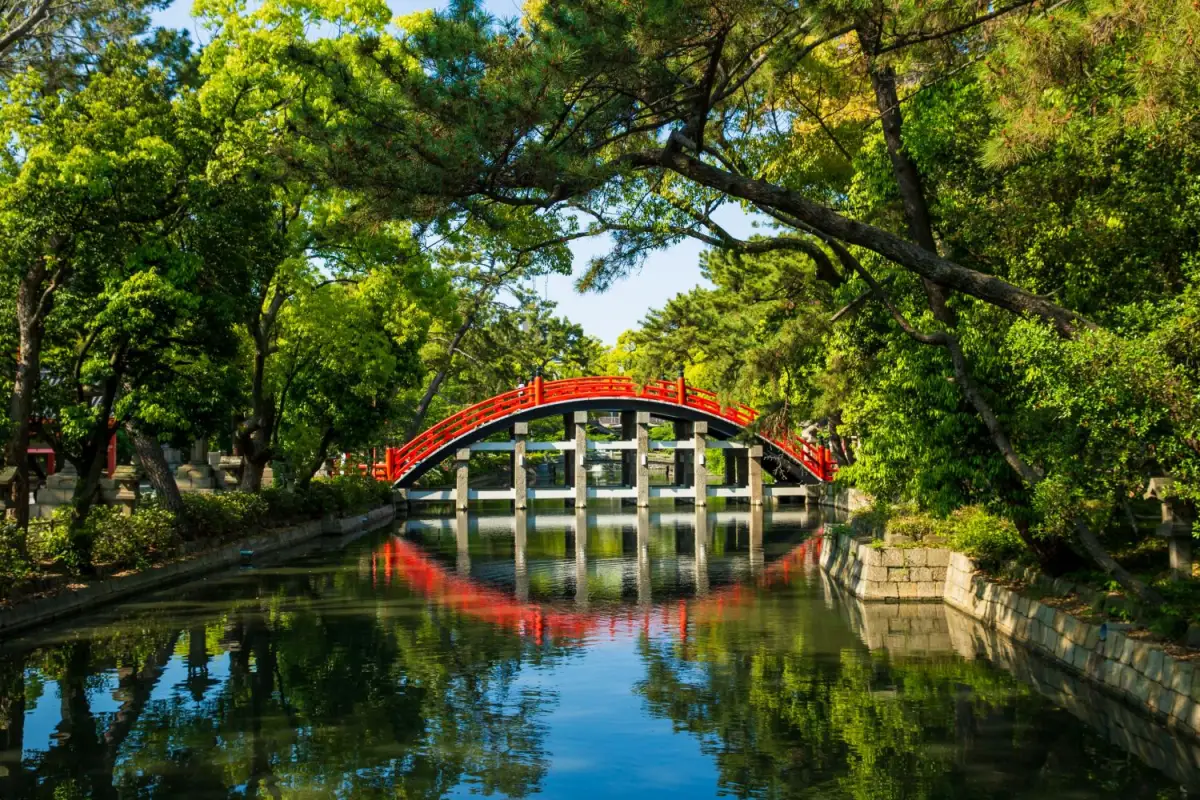
The first thing you'll see is the Sorihashi, a red arched bridge over the pond. It's about 21 metres long, and at its steepest the slope is more than 40 degrees, so hold the rail on the way down. Early in the morning you may have it almost to yourself.
Late morning: the tram to Shinsekai
From Sumiyoshitoriimae, the tram stop outside the shrine, ride the Hankai tram north to Ebisucho. Hankai is the only tram network in Osaka Prefecture, and its slow ride through quiet residential streets shows a different side of the city.
Ebisucho is at the edge of Shinsekai, an old entertainment district of neon signs and small restaurants around Tsutenkaku tower. The current tower opened in 1956. Its top observatory holds a statue of Billiken, a good-luck figure whose feet people rub. Entry to the deck is timed, so exchange your ticket at the ticket centre on the ground floor first.
Shinsekai is the home of kushikatsu: skewers of meat, seafood or vegetables, coated in panko breadcrumbs and deep-fried. Janjan Yokocho, a narrow covered alley, is lined with kushikatsu counters. Where a shared tray of sauce sits on the counter, dip each skewer only once. Many shops now give you a bottle of sauce instead.
Afternoon: Shitennoji
Shitennoji is about 15 to 20 minutes east of Shinsekai on foot. Prince Shotoku founded it in 593, and it was the first official Buddhist temple in Japan. Its five-storey pagoda rises from the inner precinct.
Get there in good time. The inner precinct closes at 4.30pm from April to September and at 4pm from October to March. On the 21st and 22nd of each month, stalls fill the grounds for the temple's festival days, which makes them good days to visit. If you come by metro instead, Shitennoji-mae Yuhigaoka station on the Tanimachi Line is five minutes away.
With energy left, walk about 15 minutes south to Abeno Harukas, a 300-metre tower beside Tennoji station. Its Harukas 300 observatory, on the 58th to 60th floors, is open from 9am to 10pm every day. Sunset from the top is worth timing.
Evening: Dotonbori and Hozenji Yokocho
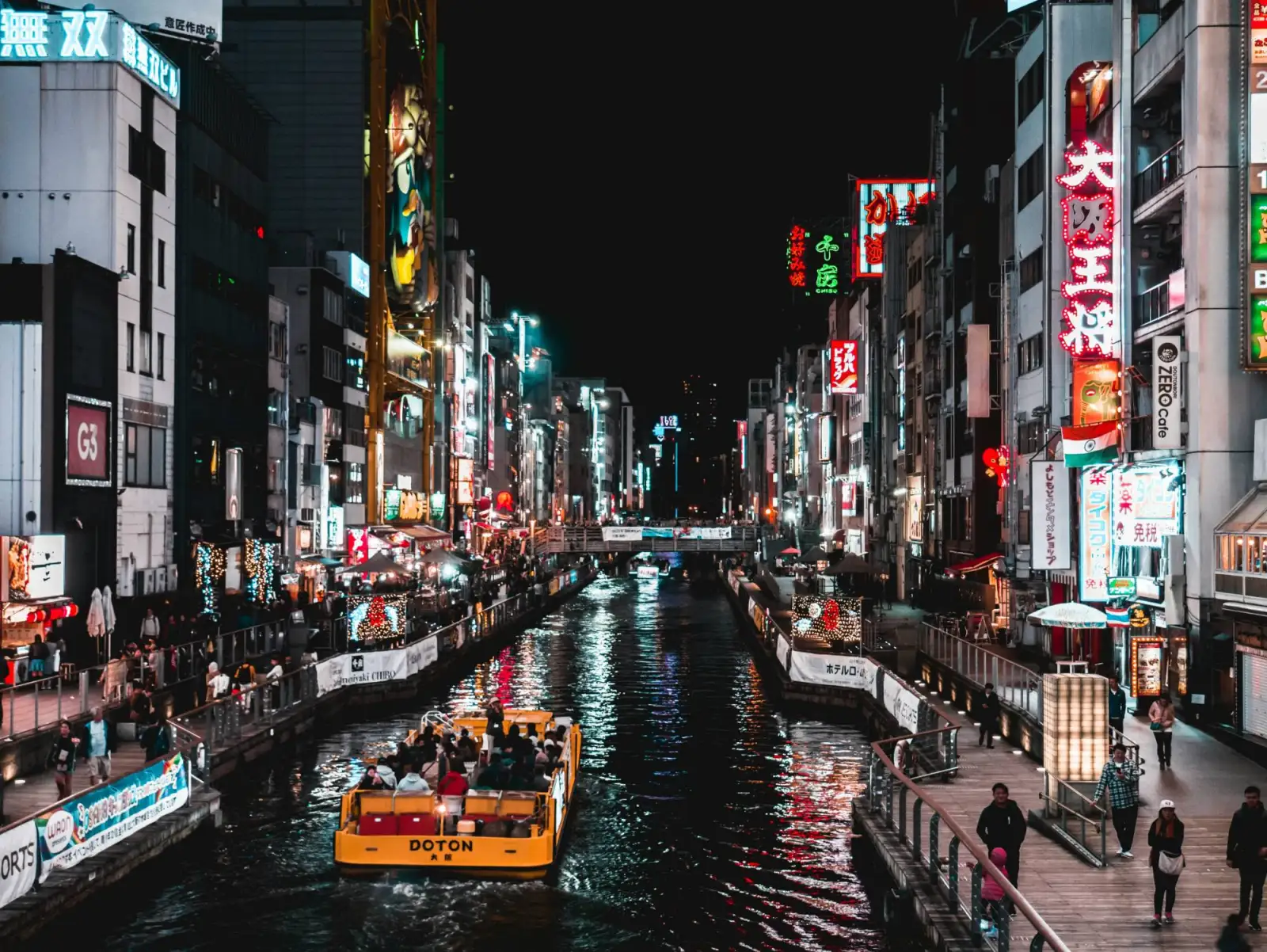
From Tennoji, the Midosuji Line takes you to Namba in three stops. Walk north to Dotonbori, the canal-side street of giant signs and food stalls. It's at its best after dark, when the neon comes on. The Glico running man sign beside Ebisu Bridge is the classic photo.
Follow the Tombori River Walk, a promenade of about 600 metres along the water, or take the Tombori River Cruise, a short boat ride under the bridges. Then eat your way down the street:
- Takoyaki: balls of batter with a piece of octopus inside, usually topped with bonito flakes and mayonnaise.
- Okonomiyaki: a savoury pancake of batter and cabbage, with pork, seafood or both, cooked on a hotplate.
- More kushikatsu, if lunch didn't fill you up.
End the night in Hozenji Yokocho, a stone-paved alley of small restaurants just south of Dotonbori, lit by lanterns instead of neon. At its end is Hozenji temple and its statue of Fudo Myoo, covered in moss from all the water people pour over it. Locals ladle on a little water and make a wish, and you're welcome to do the same.
Day 2: Osaka Castle, Kuromon Market and Umeda
Morning: Osaka Castle
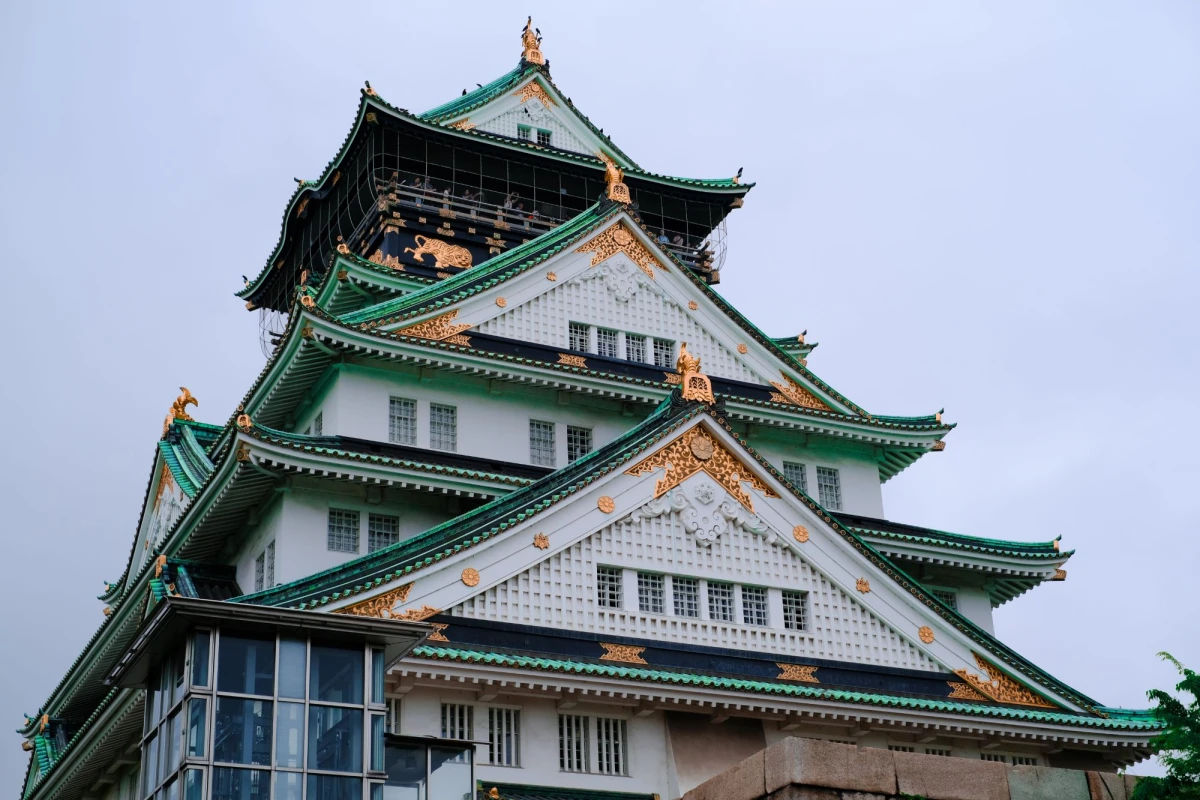
Be at Osaka Castle when it opens at 9am, ahead of the tour groups. The main tower stays open until 6pm, with last entry at 5.30pm, and it closes from 28 December to 1 January. The tower was rebuilt in 1931 and is a museum inside. It tells the castle's story and that of Toyotomi Hideyoshi, the warlord who first built it.
Climb to the observation deck on the 8th floor for the view over the park and the city. Then walk the grounds, which are free, past the moats and the huge stone walls.
From Morinomiya or Osakajokoen station on the JR Osaka Loop Line, the walk to the tower takes 15 to 20 minutes. Check the main tower's visitor information before you go, as hours can change for events.
Lunch: Kuromon Market
Take the metro to Nippombashi for Kuromon Market, a covered street of seafood stalls, fruit shops, butchers and small restaurants. Several shops have counters or tables where you can eat what you buy, so lunch can be a string of small plates.
Many shops keep roughly 9am to 5pm or 6pm, and some close on Sundays, so don't leave it late. Eat at the stall or in a shop's seating area, as the aisles get crowded.
Afternoon: tea at a temple, or the bay
After the castle and the market, slow down for a couple of hours. A zen tea ceremony with a foot bath at a temple makes a calm break.
You learn to prepare matcha in the temple's quiet rooms, then soak your feet while you get a light massage. It takes about an hour, with snacks, and staff will take photos on your phone for you. The temple is in Kitahorie, a short walk west of Shinsaibashi.
From there, wander back through Shinsaibashi-suji, the long covered shopping street that runs north from Ebisu Bridge.
With children, spend the afternoon by the bay instead. Osaka Aquarium Kaiyukan, built around a huge central tank with whale sharks, is a five-minute walk from Osakako station on the Chuo Line. The Tempozan Giant Ferris Wheel stands right beside it.
Evening: sunset over Umeda
Finish the day in Umeda. The Kuchu Teien observatory, across the top of the Umeda Sky Building, is open until 10.30pm, with last entry at 10pm. It covers the 39th and 40th floors and an open-air rooftop, which makes it the place to watch the sun go down over the city.
For dinner, head into the basement food halls of the department stores around Osaka and Umeda stations. Locals call them depachika, and they're full of ready-made meals and sweets. Or pick a small izakaya in the lanes nearby for drinks and plates to share.
Day 3: a day trip to Kyoto or Nara
We'd choose Kyoto for a first trip to Japan, for its famous shrines and old streets. Choose Nara for a slower day, or with children, who love the deer.
Kyoto: Fushimi Inari, Kiyomizu-dera and Gion
Leave early. Take the JR Special Rapid from Osaka Station to Kyoto, about 30 minutes, then the JR Nara Line two stops to Inari. Fushimi Inari Taisha is right next to the station.
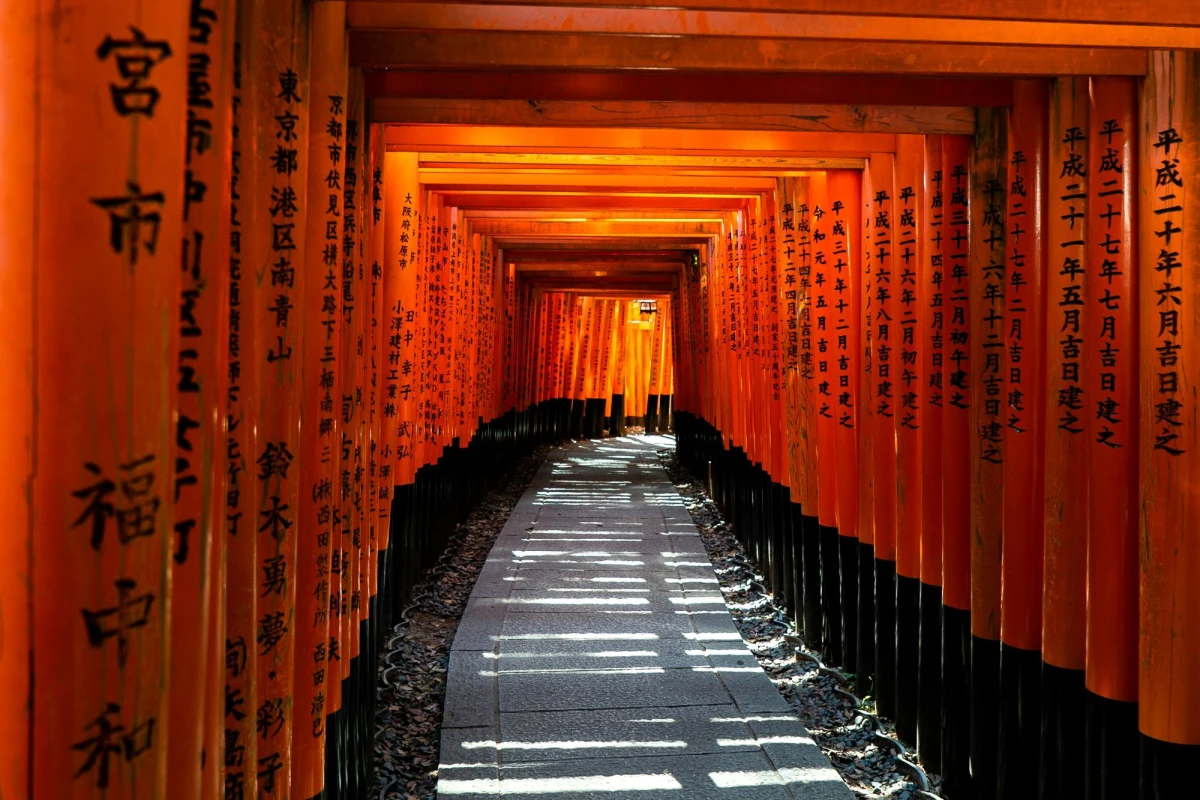
The shrine's paths climb Mount Inari, a 233-metre hill, under thousands of red torii gates. The lower gates fill with people from mid-morning, and the crowds thin out as you climb. Go as far as your legs and your plans allow, then come back down.
From the temple, the old lanes lead down towards Gion, Kyoto's geisha district, where wooden teahouses and restaurants line the streets. If you see a geiko or maiko on her way to work, give her space and don't block her path for a photo.
Head back on the Keihan Line from Gion-Shijo, about 48 minutes to Yodoyabashi. Or cross the river and take the Hankyu Line from Kyoto-kawaramachi, about 45 minutes to Osaka-umeda.
Getting from Osaka to Kyoto
Three railways link the cities, and each suits a different part of Kyoto:
- JR Special Rapid: Osaka Station to Kyoto Station in about 30 minutes. Best for the station area and Fushimi Inari.
- Hankyu: Osaka-umeda to Kyoto-kawaramachi in about 45 minutes. Best for downtown Kyoto and Gion.
- Keihan: Yodoyabashi to Gion-Shijo in about 48 minutes by limited express. Best for Gion and the temples in the east of the city.
You don't need the shinkansen. In Osaka it stops only at Shin-Osaka, and the trains above already reach Kyoto in under an hour.
Nara: the deer and the Great Buddha
Take the Kintetsu Line from Osaka-Namba to Kintetsu-Nara, about 35 to 40 minutes depending on the train. Nara Park is a five-minute walk from the station.
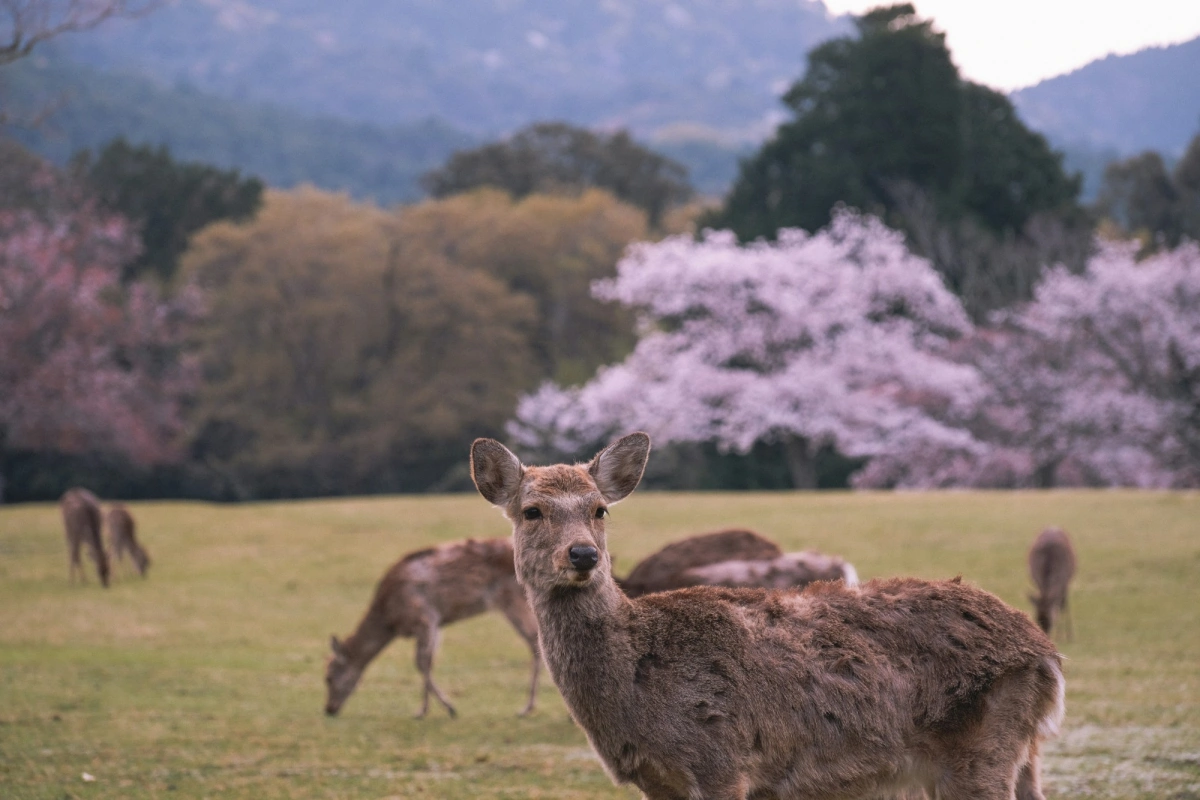
Deer roam the park and the temple grounds. Shika senbei, the crackers sold in the park, are the only food to give them. When you've run out, show your empty hands and they'll usually leave you alone. Keep plastic bags out of reach, and keep small children close, as the deer crowd round anyone holding crackers. Male deer can turn aggressive in autumn, so give them extra room.
Take the Kintetsu Line back to Namba in time for dinner in Dotonbori.
Or Universal Studios Japan
If a theme park is the point of your trip, give Day 3 to Universal Studios Japan instead. It takes a full day on its own. On busy days, entry to Super Nintendo World may need a timed entry ticket. These come with some Express Passes, or through the park's app once you're inside.
Getting around Osaka
You can pay by tapping an IC card such as ICOCA. Gates with a card reader also take contactless credit cards and phones, at regular adult fares.
The Osaka Amazing Pass gives one or two days of unlimited rides on Osaka Metro and city buses, plus free entry to around 40 attractions. These include the Osaka Castle main tower, the Umeda Sky observatory before 3pm, Tsutenkaku, the Tombori River Cruise and the Tempozan Ferris wheel.
Each day runs from 3am to 2.59am the next morning, not 24 hours from first use. The pass is digital, with a QR code on your phone. Before you buy, add up the entry fees of the sights you'll actually visit that day. The official Amazing Pass site lists everything it covers.
From Kansai Airport:
- Nankai's Rapi:t limited express reaches Namba in about 34 to 39 minutes, and the Airport Express in about 45.
- JR's Haruka reaches Tennoji in about 30 minutes and Shin-Osaka in about 50, then carries on to Kyoto.
- The JR Kansai Airport Rapid Service reaches Osaka Station in about 65 minutes.
Coming from Tokyo, the Nozomi shinkansen reaches Shin-Osaka in under two and a half hours. From there, the Midosuji Line runs straight to Umeda, Namba and Tennoji. Taxis are easy to find too, and worth it late at night or with heavy bags.
Where to stay
- Namba and Shinsaibashi: Dotonbori on the doorstep, Nankai trains to the airport and Kintetsu trains to Nara. The best base for a first visit.
- Umeda: the main rail hub, with the quickest trains to Kyoto and the big department stores. Good if Kyoto is your day trip.
- Tennoji: close to Shinsekai, Shitennoji and the tram to Sumiyoshi, with the Haruka from the airport. Quieter in the evening.
- Shin-Osaka: handy for an early or late shinkansen, but there's little to do nearby at night.
We'd pick Namba for this itinerary. Days 1 and 2 both end close by, and the airport train and the Nara train leave from there.
Good to know before you go
- When to go: spring and autumn are the most comfortable, and the busiest. Cherry blossoms usually come around late March and early April, and the autumn colours peak around late November.
- Weather: the rainy season usually runs from early June to mid-July, and summer is hot and humid. Typhoons are most likely in August and September.
- Crowds: Golden Week, from late April to early May, and the New Year holiday are the busiest times for travel within Japan.
- Rain: swap in Kaiyukan, the depachika food halls or the covered shopping street of Shinsaibashi-suji. On a wet Day 3, Nara is the easier choice, as its walks are shorter and flatter than Kyoto's hillside climbs.
- Arrival: fill in your immigration and customs details on Visit Japan Web before you fly. It gives you one QR code for both at Kansai Airport.
- Tax-free shopping: from 1 November 2026, you pay the full price, tax included, at tax-free shops. To claim the tax back, take the goods and your passport to a tax-free terminal in the airport's departure lobby within 90 days of purchase. Do it before you check in your bags. Food, drinks or cosmetics you've used in Japan don't count. Japan's tax-free guide for travellers has the details, so allow extra time at the airport.
- Cash: cards work in most shops and stations, but carry some cash for market stalls, small restaurants and temple fees.
- What to wear: comfortable walking shoes that slip off easily, as some temple halls and restaurants ask you to leave your shoes at the door.
- Escalators: in Osaka, people usually stand on the right, the opposite of Tokyo.
- Rubbish: public bins are rare, so carry a small bag for your rubbish until you find one at a station or convenience store.
Questions
How many days do you need in Osaka?
Two days covers the city's highlights: Dotonbori, Osaka Castle, Shinsekai and the temples. Three days lets you add a day trip to Kyoto or Nara. Allow four or five if you also want Universal Studios Japan, or a second day trip, such as Kobe or Himeji.
What is Osaka famous for?
Its food, first of all. Takoyaki, okonomiyaki and kushikatsu are the dishes most linked with the city, and Dotonbori is where people go to eat them. Osaka Castle and the neon along the canal are its best-known sights.
Is Kyoto worth a day trip from Osaka?
Yes. Kyoto is about 30 minutes away on the JR Special Rapid, so a day trip is easy. One day is enough for Fushimi Inari, Kiyomizu-dera and Gion, though you could easily spend longer there.
How long is the train from Osaka to Kyoto?
About 30 minutes on the JR Special Rapid from Osaka Station to Kyoto Station. The Hankyu Line from Osaka-umeda to Kyoto-kawaramachi takes about 45 minutes, and the Keihan Line from Yodoyabashi to Gion-Shijo about 48. All three run direct, with no change of train.
What is the Osaka Amazing Pass?
It's a digital pass for one or two days of unlimited rides on Osaka Metro and city buses, with free entry to around 40 attractions. It pays off on a day when you'll visit several of them, such as Osaka Castle, Tsutenkaku and the Tombori River Cruise.
Which month should you avoid in Osaka?
No month is off-limits, but July and August are hot and humid. June brings the rainy season, and Golden Week, from late April to early May, is crowded. For mild weather, go in spring or autumn.
To end your trip gently after days on your feet, book a bamboo healing massage at a temple in Osaka. The session takes about two hours, with a foot bath, an oil massage using bamboo sticks, a photo in a yukata and a tea ceremony to finish.