How to Find Authentic Local Food Experiences When You Travel
Why Authentic Food Experiences Matter
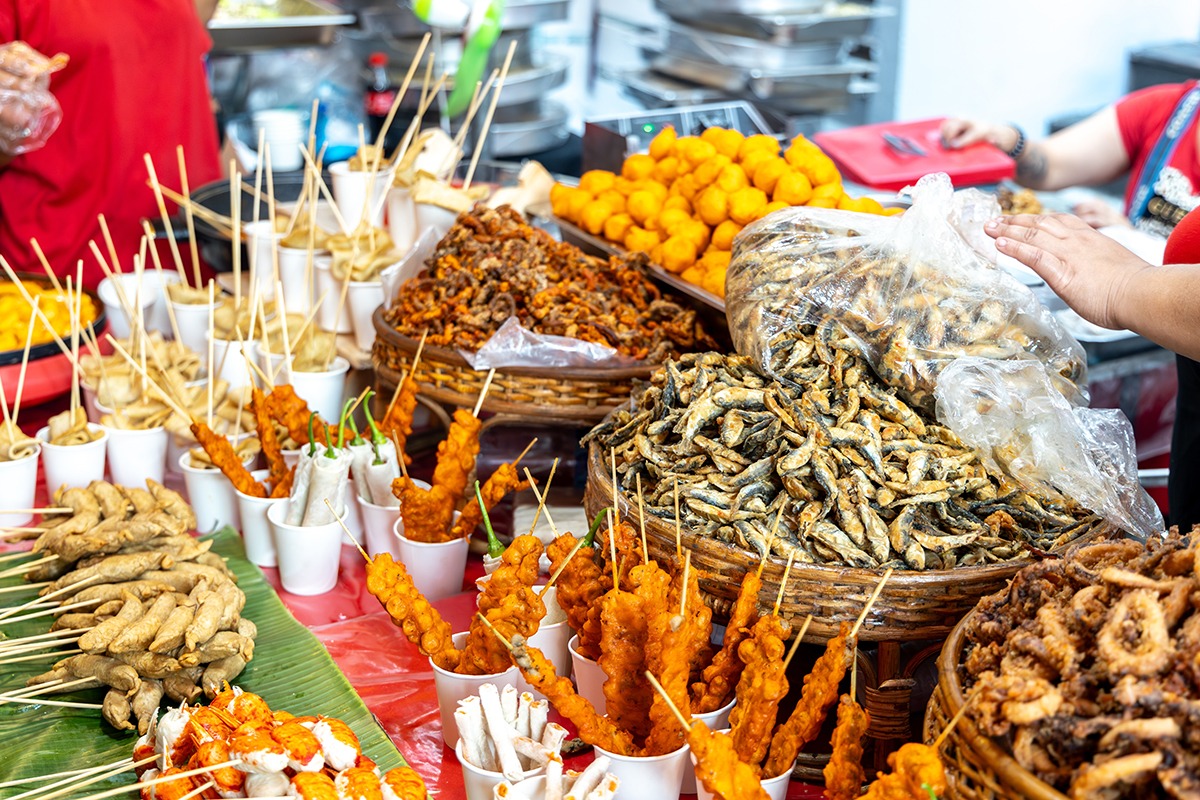
Authentic food experiences give you the dish as locals actually eat it. The flavors stay true to the region. The ingredients reflect what's actually available and used in that culture. This connection to real culinary tradition often becomes one of the strongest memories from a trip.
Where Tourists Go Wrong
Online review platforms can also mislead you. A restaurant with thousands of reviews from tourists may rank higher than a small spot loved by locals but rarely reviewed online. Star ratings don't always reflect authenticity.
How to Find Authentic Local Food
Look for where locals eat during work hours. Lunch spots packed with office workers or laborers, rather than visitors with cameras, often serve food made for taste and value, not appearance.
Ask people who live there. Hotel staff, taxi drivers, and shop owners usually know the area's best food spots. Ask specifically where they eat, not just what they'd recommend for visitors.
Use local-language search terms. Searching in the local language, even using a translation tool, often returns different results than searching in English. Local food blogs and review sites give a more accurate picture of where residents actually eat.
Join a local food tour or cooking class. A guide with local roots can take you directly to spots you wouldn't find on your own. This also gives you context about the dish, its history, and how it's traditionally prepared.
Visit markets early in the morning. Local markets often serve breakfast foods and snacks that don't appear on restaurant menus. Vendors here usually sell to neighborhood residents rather than tourists, which keeps prices low and recipes traditional.
Tools and Resources for Finding Authentic Food
Local food bloggers, often found through a quick search for "[city name] food blog," frequently know more current and specific information than general travel sites, since they live in the area and update their recommendations regularly.
Booking a guided experience also removes much of the guesswork. You can explore authentic culinary experiences led by local hosts, which connect you directly with home cooks, market vendors, and small restaurant owners instead of leaving you to search alone.
Signs You've Found an Authentic Food Experience
None of these signs guarantees authenticity on their own, but together they give you a strong indication that you've found a real local spot.
Pros and Cons of Seeking Authentic Food
- A deeper understanding of local culture through food
- Often lower prices than tourist-area restaurants
- Memorable flavors and dishes you can't easily find at home
- Direct support for local business owners and family-run kitchens
Cons:
- Language barriers can make ordering more difficult
- Some authentic dishes may not suit sensitive stomachs or dietary restrictions
- Finding these spots takes more time and effort than choosing a convenient tourist restaurant
- Hygiene standards can vary, especially at street stalls, so some research on food safety helps
Being aware of these trade-offs helps you prepare. Carry basic phrases for ordering food and explaining allergies. Start with smaller portions when trying new street food, especially from a stall you haven't visited before. These steps reduce risk while keeping the experience authentic.
Respecting Local Food Culture
Take time to learn a few words related to food in the local language. Saying "thank you" or asking "what is this?" in the local language often leads to a warmer interaction and sometimes extra attention from the cook or vendor.